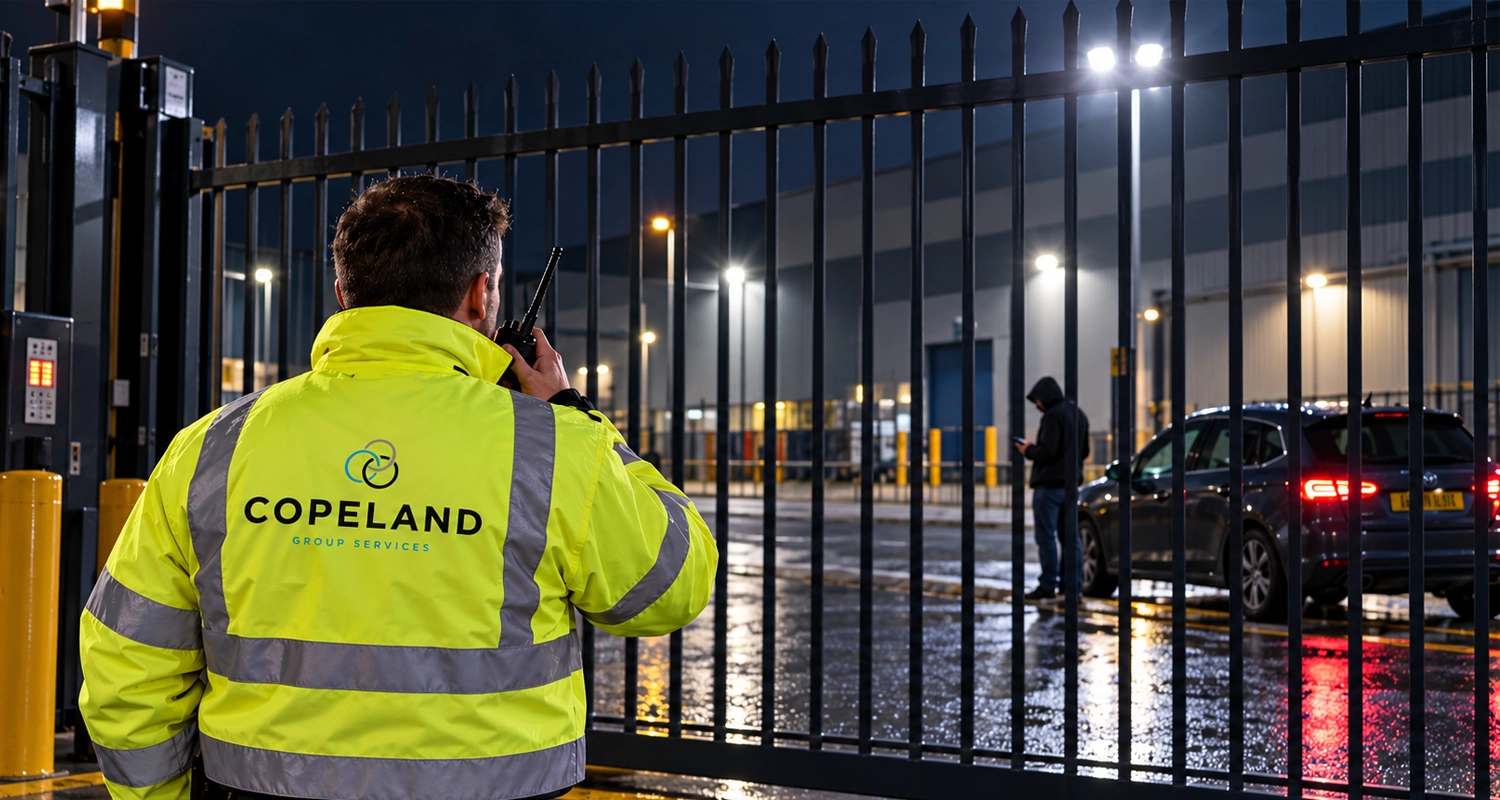
A mobile security patrol is most useful when it has a clear purpose.
For some businesses, that means an officer attending at a specific time to check gates, doors and agreed areas. For others, predictability is exactly what they want to avoid, with patrols varying through the night so there is no obvious routine.
Neither approach is automatically more secure. The right choice depends on what the patrol is there to achieve, and increasingly businesses are finding that the best answer can involve elements of both.
When scheduled patrols make sense
Scheduled patrols work particularly well when security forms part of an operational process.
A business may want a site checked shortly after employees leave, another visit during the night and a final inspection before the working day begins. Construction sites, commercial premises and industrial facilities may also have specific areas or procedures that need checking at defined times.
The advantage is consistency. The business knows when attendance will take place and the security officer has a clear set of instructions to follow.
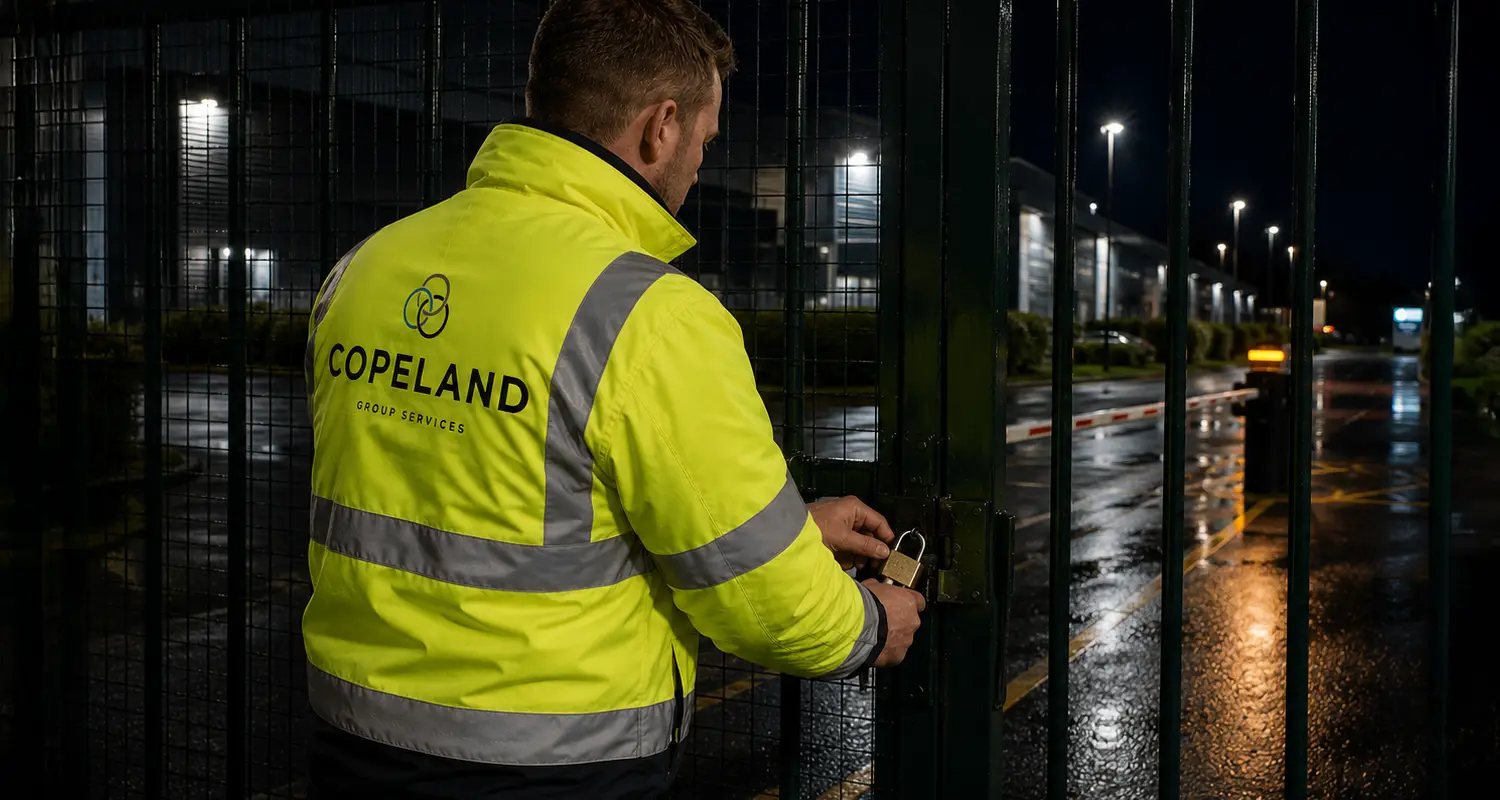
That can be particularly valuable where mobile patrols complement professional lock and unlock services, keyholding or other routine site security procedures.
The potential disadvantage is predictability. If every visit follows exactly the same timetable, a determined individual who observes the site may begin to understand when a security presence is likely to appear.
Why businesses use random patrols
Random or variable patrols introduce uncertainty.
Rather than attending at precisely the same time each night, visits can take place at different points within agreed periods. That makes it harder for someone observing the premises to anticipate when a security officer may arrive.
The benefit is primarily deterrence. A site does not need a permanent officer to create the possibility of a physical security presence.
However, random does not mean unstructured. Effective mobile patrols still need clear assignment instructions covering what should be inspected, what needs recording and what happens if something unusual is discovered.
The timing may vary, but the standard of the patrol should not.
The best approach may combine the two
Many sites do not need to choose exclusively between scheduled and random patrols.
A defined visit might be useful when a building closes, while additional variable patrols provide an unpredictable presence later in the night. The balance can also change according to operating hours, seasonal risks or recent activity around the premises.
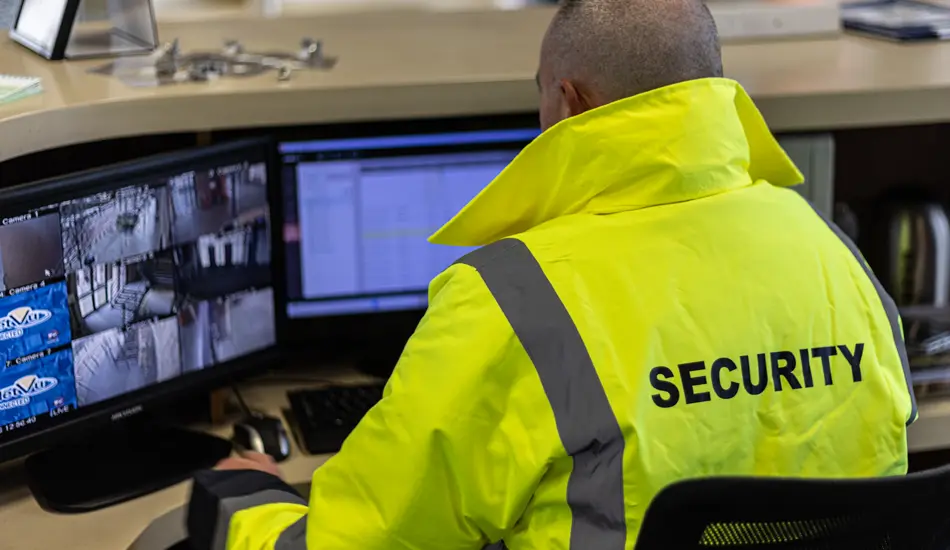
Modern monitoring can strengthen that approach further. Through Virtual Guard, CCTV can provide visibility between physical visits, while the control room and mobile teams provide the human response when something requires attention.
This is where mobile patrols become part of a wider security strategy rather than simply a vehicle arriving at a site several times each night.
What should determine your patrol strategy?
The starting point should be the site itself.
A remote industrial facility, busy commercial estate and city centre office can face very different risks. Businesses should consider when the premises are most vulnerable, what needs checking, whether predictable attendance supports operational procedures and whether greater variation would improve deterrence.
At Copeland Group Services, mobile patrols can operate alongside Virtual Guard, manned guarding, keyholding and alarm response, professional lock and unlock services and access control to create the appropriate balance between visibility and physical presence.
The important question is not whether scheduled or random patrols are universally better.
It is whether the patrol pattern is designed around the risks of your site.
Discover more insights
Interested in learning more about business security? Explore our related posts below for further guidance.