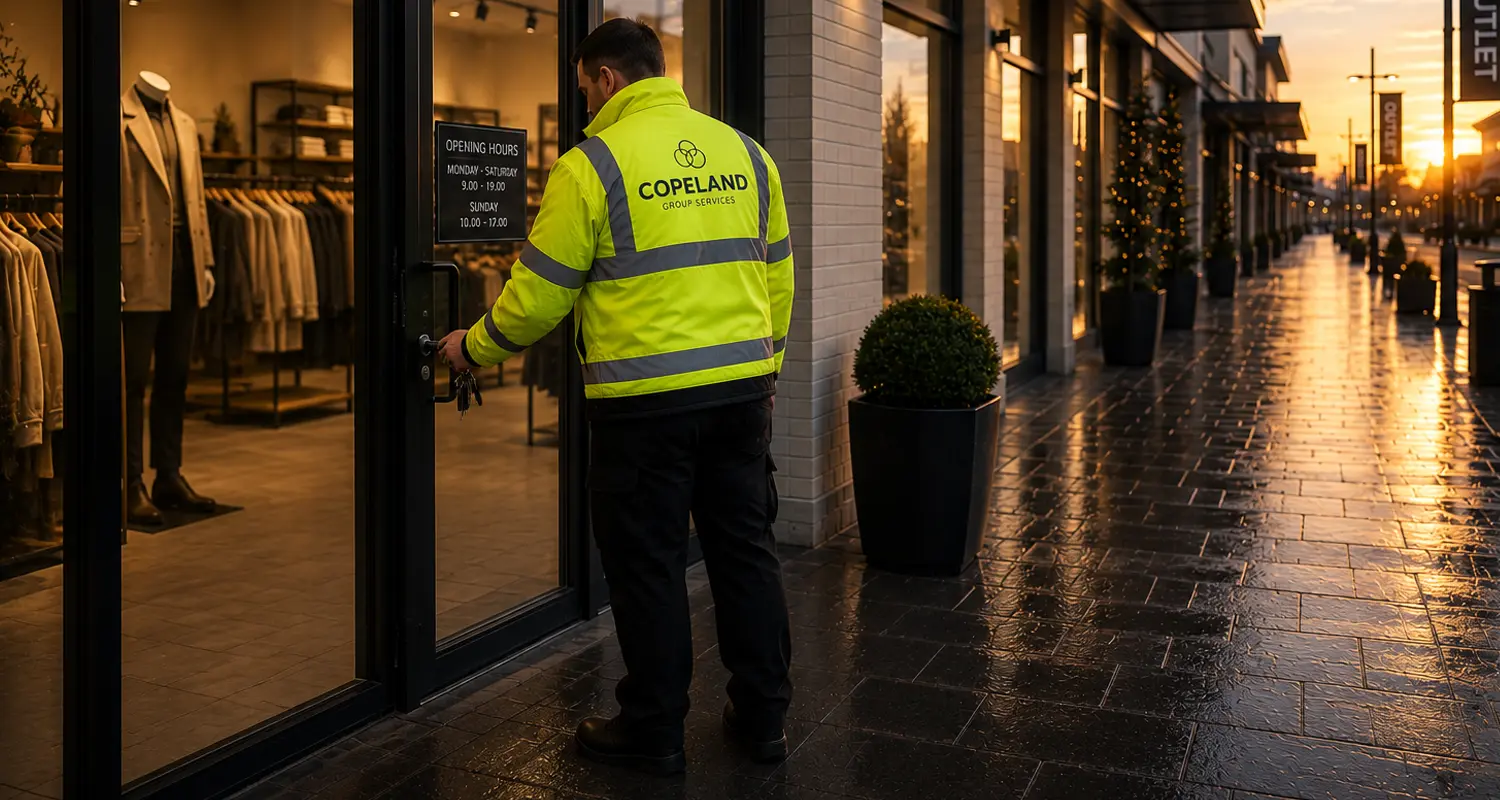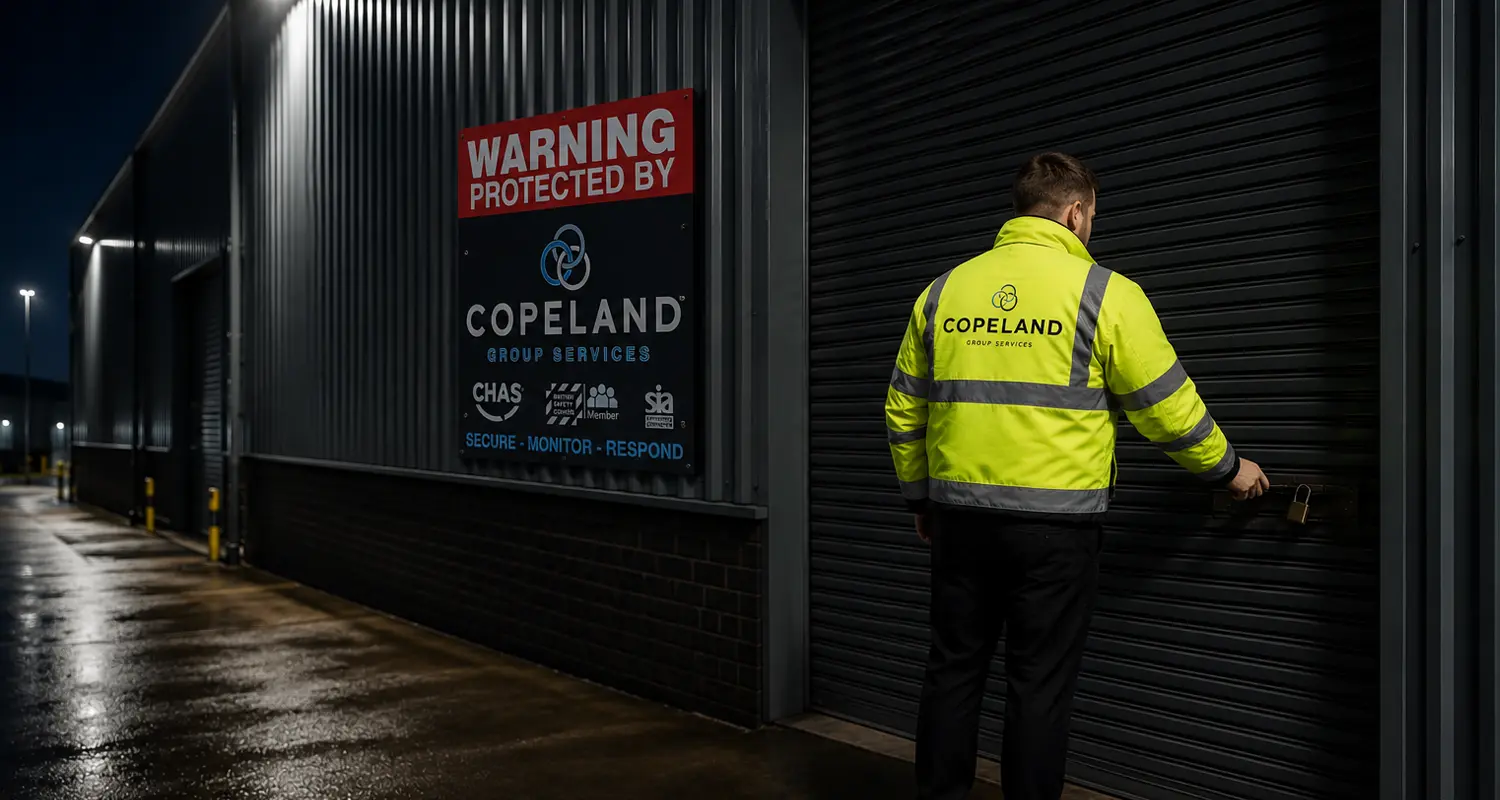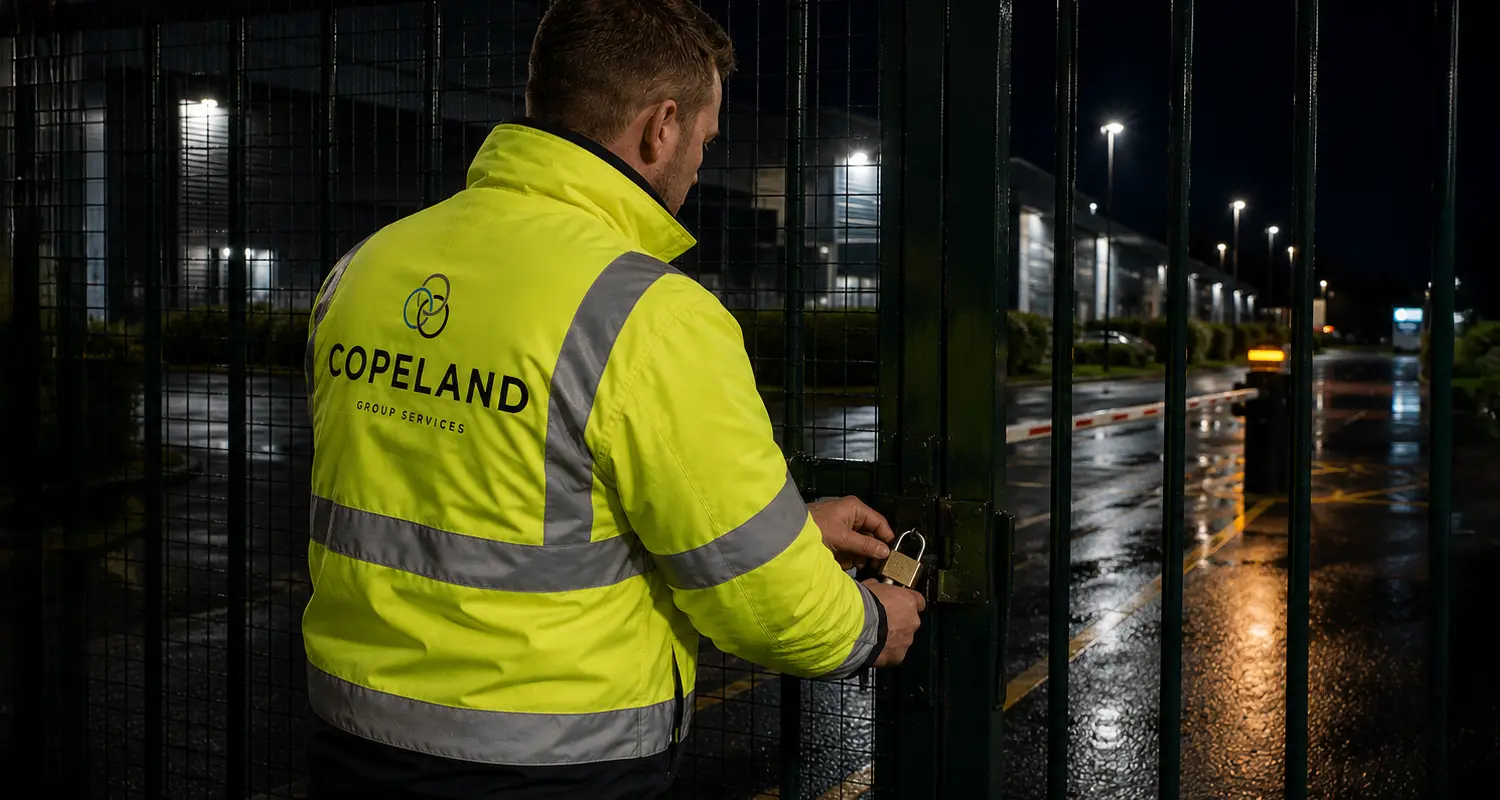
For many businesses, opening and closing the premises is treated as a routine task. It is often assigned to a manager or trusted employee and rarely questioned.
However, across commercial environments, this approach can introduce risk, inconsistency and unnecessary pressure.
Copeland Security works with businesses across the UK who have moved away from staff led opening and closing procedures in favour of a more structured, professional approach.
Below are five key risks to consider when relying on staff to open and close your business.
1. Inconsistent procedures and human error
Opening and closing a building involves more than unlocking a door. Alarm systems must be set correctly, access points checked and procedures followed in a specific order.
When handled by different members of staff, these processes can vary. Steps may be missed, rushed or completed incorrectly, particularly during busy periods.
Copeland Security provides structured lock and unlock services where trained officers follow consistent procedures every time. This removes variation and helps ensure that critical security tasks are completed correctly.
2. Increased vulnerability at key times
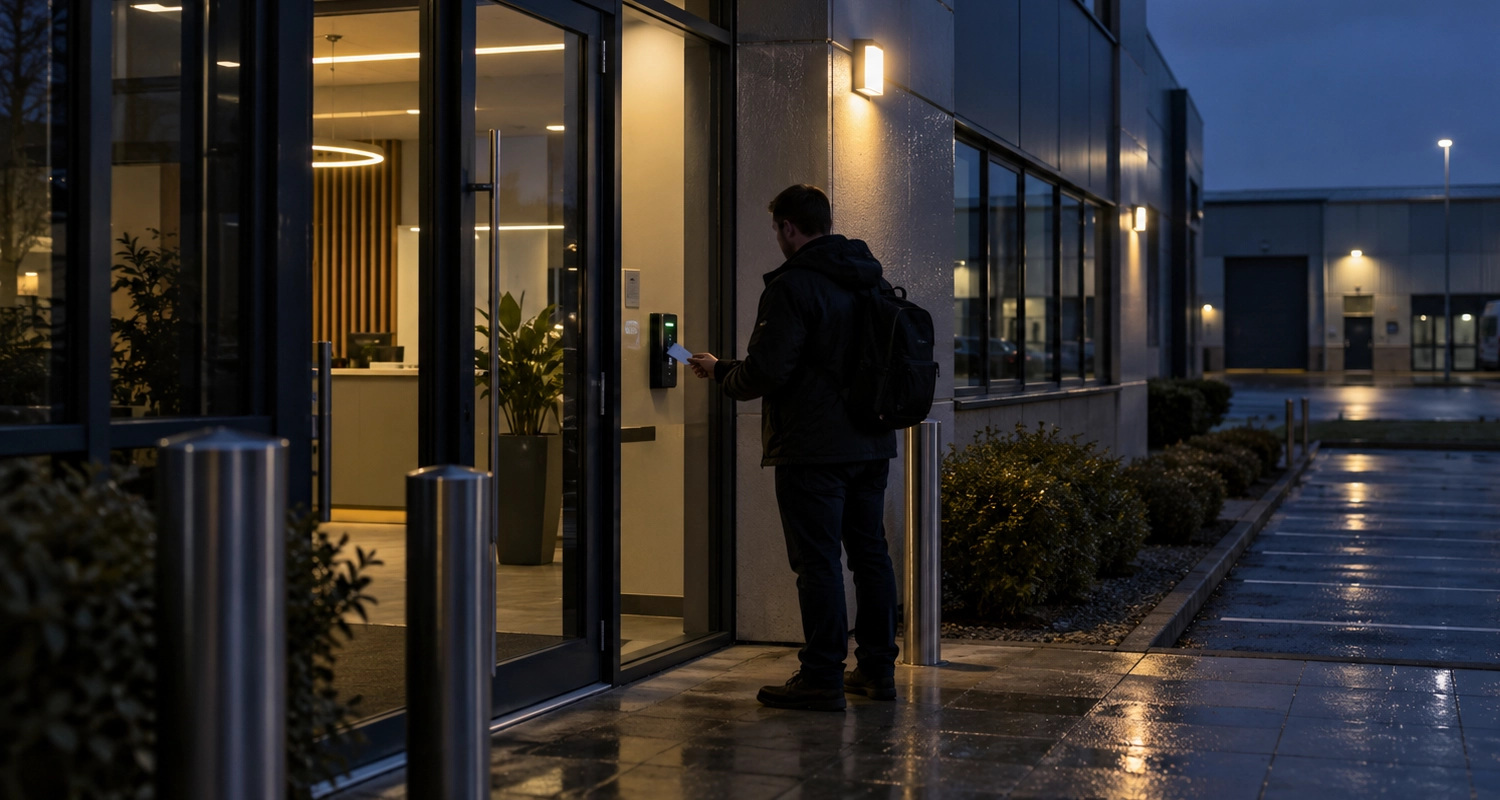
The start and end of the working day are often the most vulnerable periods for any business. Staff may be arriving alone early in the morning or securing the building late in the evening.
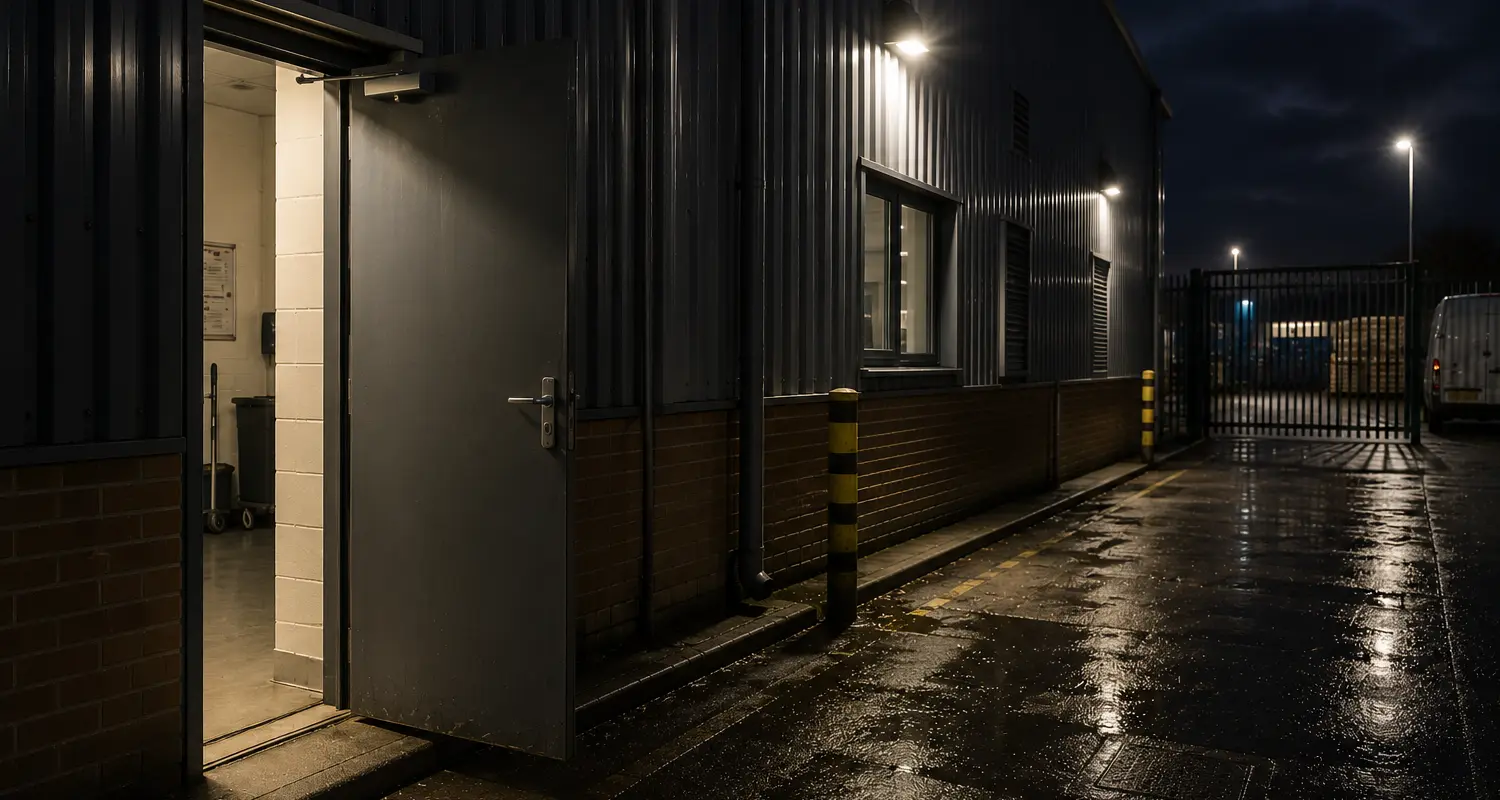
These situations can create exposure, particularly in quieter areas or during darker months.
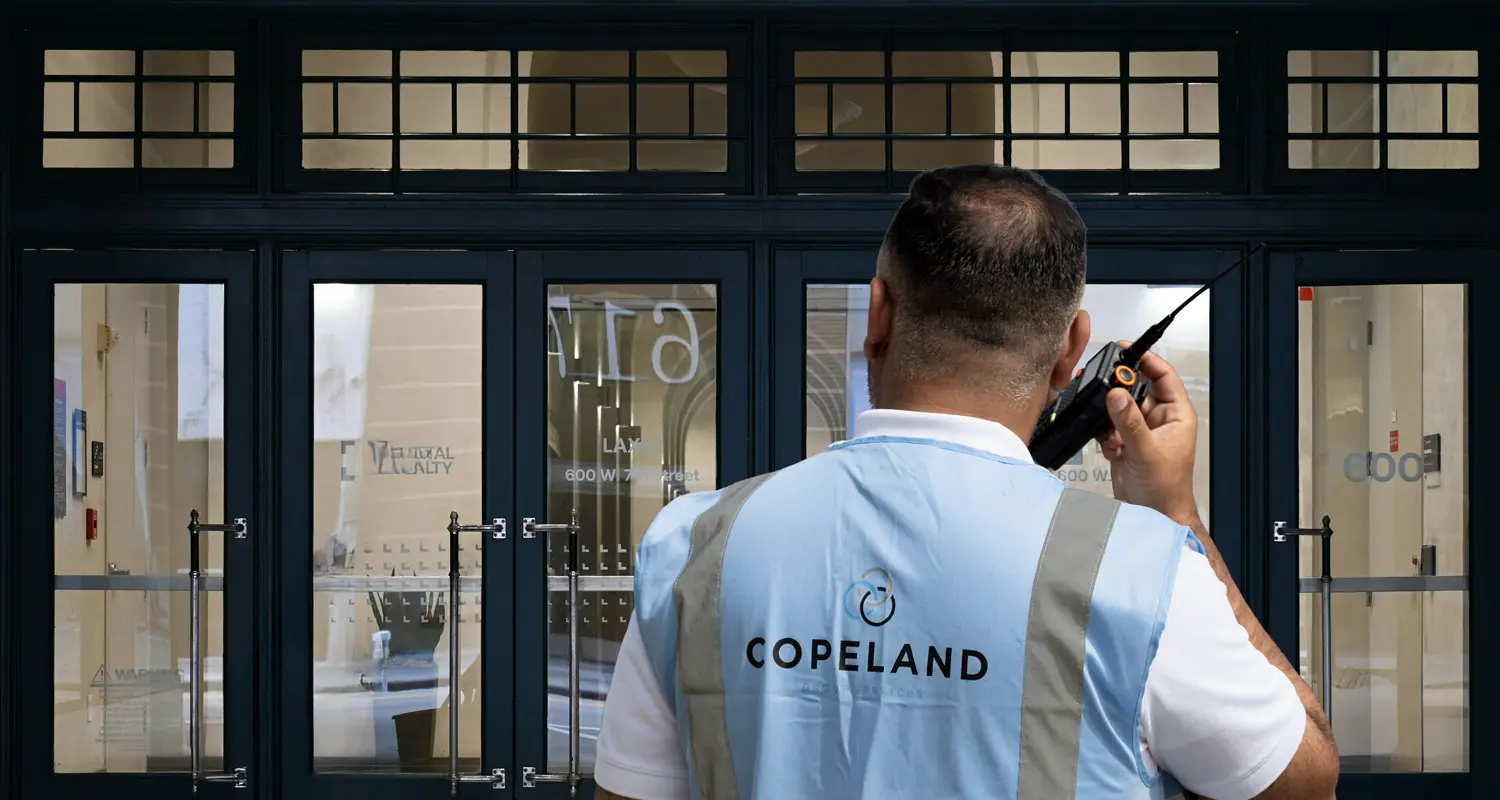
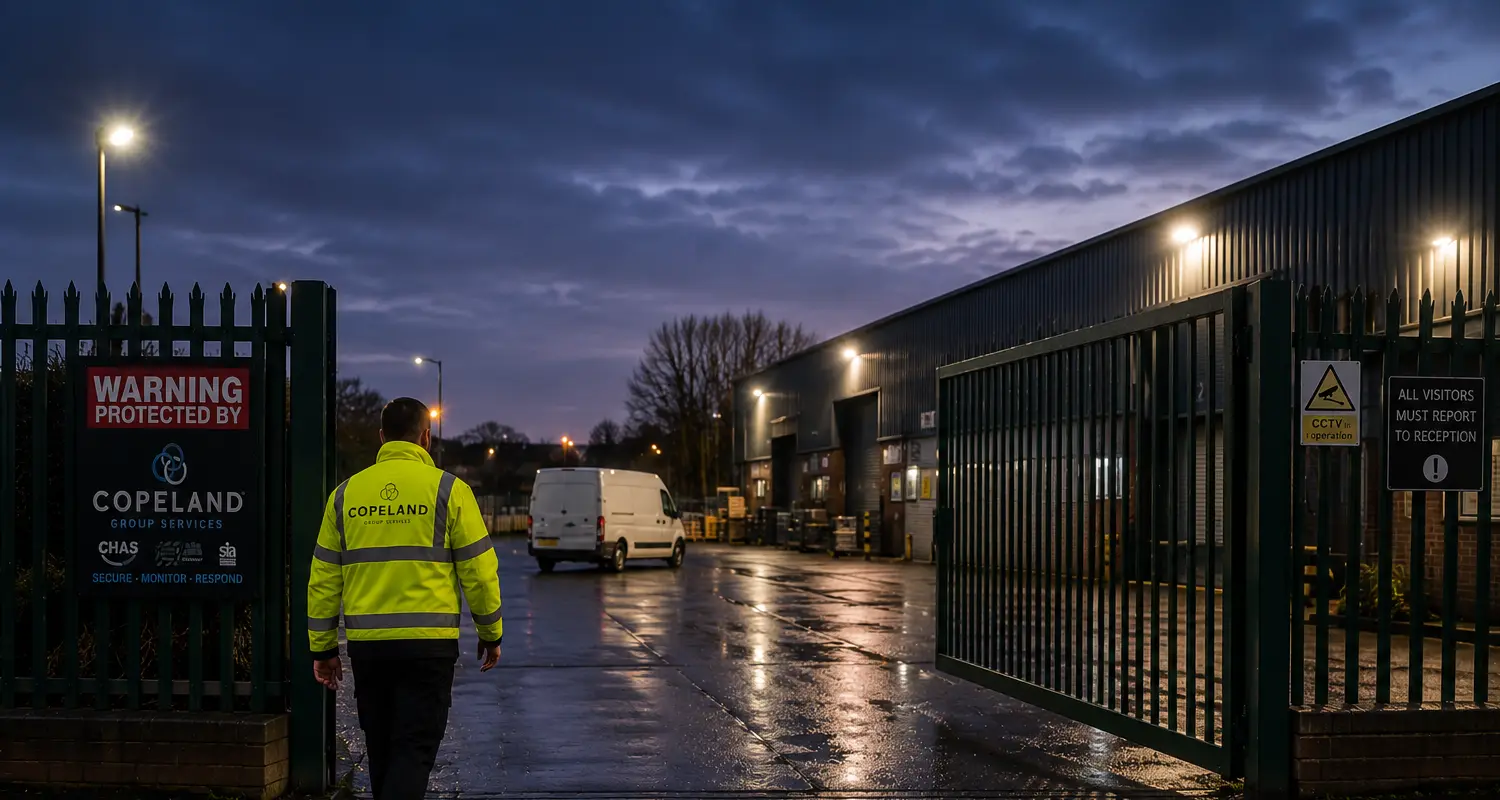
By using Copeland Security for lock and unlock services, businesses can reduce this risk. Professional officers attend site, carry out procedures independently and remove the need for employees to manage access during unsocial hours.
3. Lack of accountability and reporting
When staff are responsible for opening and closing, there is often limited visibility over whether procedures have been completed correctly.
If an issue arises, it can be difficult to establish what happened and when.
Copeland Security introduces structured processes and reporting, ensuring that access procedures are documented and completed in line with agreed standards. This provides clearer accountability and supports better oversight.
4. Operational disruption and delays
Staff absence, lateness or miscommunication can lead to delays in opening a business or issues when securing the premises.
For retail and commercial environments, even small delays can impact customers, productivity and reputation.
Copeland Security provides dependable lock and unlock services that operate to agreed schedules, helping ensure premises are opened on time and secured correctly at the end of the day.
5. Pressure on staff and employee wellbeing
Assigning responsibility for opening and closing to staff can create additional pressure, particularly when it sits outside their primary role.
It can also place individuals in situations where they may feel vulnerable, especially when attending premises alone during early mornings or late evenings. In darker months, this risk can increase further, with reduced visibility and quieter surroundings adding to the sense of exposure.
By outsourcing these responsibilities to Copeland Security, businesses can remove this burden from internal teams and support a safer, more structured approach to site access.
A more structured approach with Copeland Security
Relying on staff to manage opening and closing procedures may seem convenient, but it often introduces avoidable risk.
Copeland Security supports businesses with professional lock and unlock services that provide consistency, accountability and reliability. When combined with keyholding, mobile patrols, manned guarding and EcoWatch Rapid Deployment CCTV, this forms part of a fully blended security strategy.
This approach ensures that access control, monitoring and response capability work together to protect your business.
To discuss how Copeland Security can support your site access procedures, contact the team today.
Photo by Declan Sun on Unsplash
Discover more insights
Interested in learning more about business security? Explore our related posts below for further guidance.