For many organisations, opening and closing the premises is simply part of the working day.
The first employee arrives, unlocks the building, switches off the alarm and prepares for the day ahead. Later that evening, someone else locks the doors, sets the alarm and leaves.
It feels routine.
Yet these are often two of the most vulnerable moments in a business’s daily operations.
Employees can find themselves arriving at or leaving empty premises in darkness, carrying keys, entering alarm codes and potentially becoming predictable targets for criminals watching the site.
Increasingly, businesses are recognising that opening and closing procedures are not simply facilities management tasks.
They are security responsibilities.
The hidden risks of opening and closing a building
Most security incidents don’t happen during the middle of a busy working day.
They often occur when premises are quiet, staff numbers are low and criminals believe there is less chance of being challenged.
The first person to arrive at work may unknowingly walk into a building following an overnight break-in. Equally, the last employee leaving may become distracted while locking up, creating opportunities for doors to be left unsecured or alarms incorrectly set.
Even when nothing goes wrong, asking employees to take responsibility for securing a building can create unnecessary pressure, particularly during darker winter months or at sites operating extended hours.
For many businesses, these risks simply aren’t worth transferring to members of staff.
Consistency matters
One of the biggest advantages of professional lock and unlock services is consistency.
Security procedures are carried out the same way, every time.
Buildings are checked before being opened. Alarms are managed correctly. Doors, gates and access points are secured according to agreed procedures.
There is no uncertainty over whether someone remembered to lock a rear entrance or whether the alarm was set before leaving.
Consistency reduces the opportunity for simple mistakes that can later become expensive security incidents.
Protecting employees as well as property
Professional lock and unlock services are often viewed purely as protecting buildings.
In reality, they also protect people.
Removing the responsibility for opening and securing premises means employees no longer have to arrive alone at empty buildings or leave late at night carrying keys and alarm codes.
That can significantly reduce personal safety concerns, particularly for lone workers or businesses operating outside traditional office hours.
It also demonstrates that organisations are taking reasonable steps to reduce foreseeable risks for their employees.
More than simply turning a key
Modern lock and unlock services involve far more than unlocking a door.
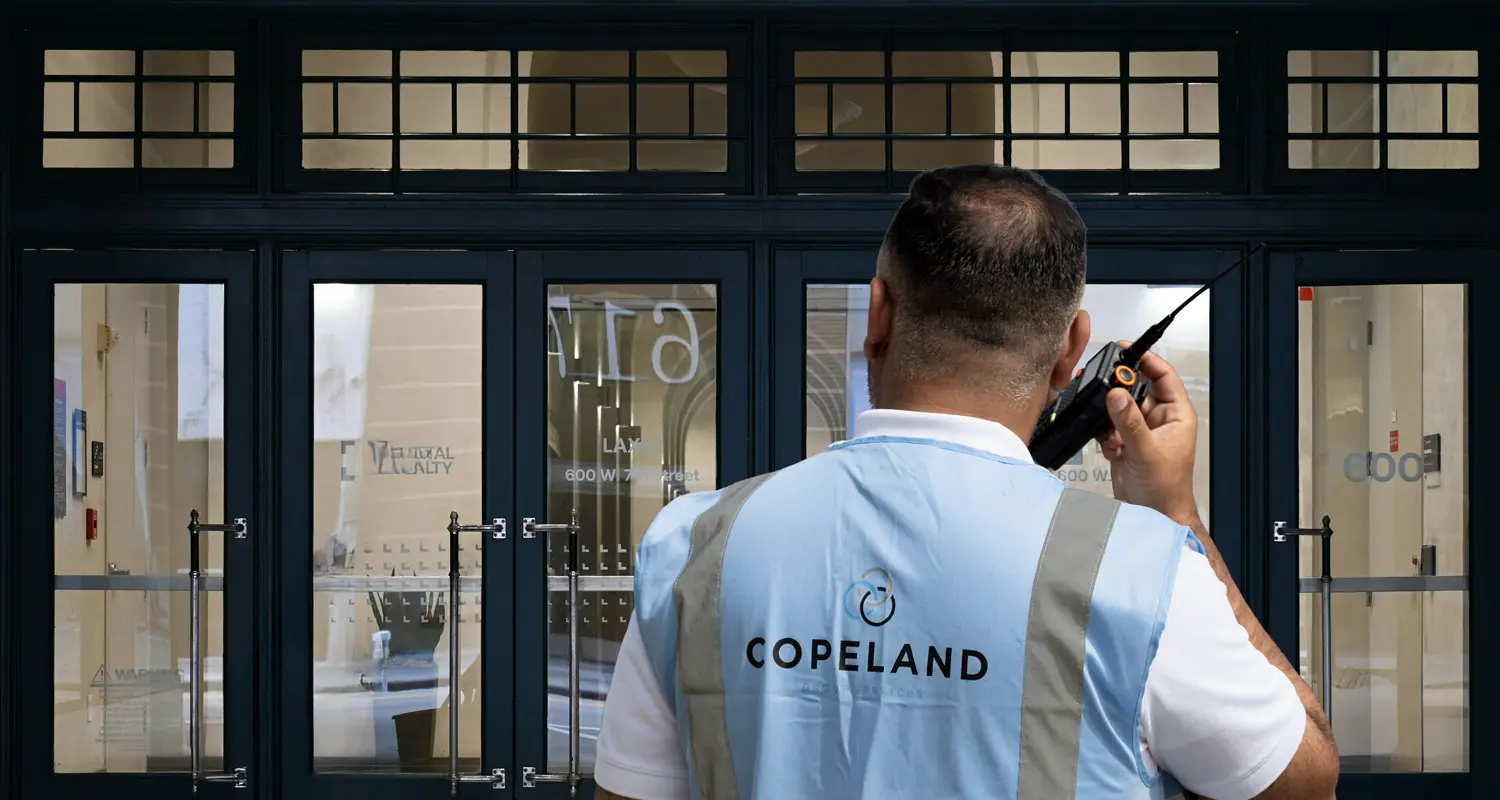
Professional security officers follow agreed procedures, check for signs of forced entry, confirm the building appears secure before access is granted and ensure alarms and security systems are managed correctly.
If something appears unusual, such as evidence of attempted entry or suspicious activity around the premises, the appropriate response can begin before employees enter the building.
That provides reassurance not only for staff, but also for business owners who may not be on site themselves.
Part of a wider security strategy
Lock and unlock services become even more effective when combined with other security measures.
Monitored CCTV through Virtual Guard provides visibility before buildings are opened. Mobile patrols help maintain a visible security presence outside normal operating hours, while keyholding and alarm response ensure trained professionals can attend incidents when required.
Together, these services create a layered security strategy that protects premises throughout the day rather than simply at the beginning and end of it.
Each service supports the others.
The result is greater resilience and greater confidence that the building remains secure.
Taking responsibility away from employees
Outsourcing lock and unlock procedures is not about removing responsibility from employees because they cannot be trusted.
It is about recognising that security is a specialist function.
Just as organisations outsource fire alarm maintenance, electrical inspections or CCTV monitoring, many now choose to place opening and closing procedures in the hands of trained security professionals.
Doing so reduces risk, improves consistency and allows employees to focus on the work they were employed to do.
At Copeland Group Services, our professional Lock and Unlock service forms part of a wider security strategy that includes Virtual Guard, mobile patrols, keyholding and alarm response, manned guarding, access control, EcoWatch Rapid Deployment CCTV and TrakNet Technologies. Together, these services help businesses protect their people, premises and operations through a proactive, layered approach to security.
If you’d like to discuss whether professional lock and unlock services could benefit your organisation, we’d be pleased to help.
Photo by Christian R on Unsplash