It is 2am and your business alarm activates.
The building should be empty. Nobody is expecting a delivery, the working day finished hours ago and the facilities manager is asleep.
At that point, the alarm system has done its job. It has identified something that requires attention.
The real test of your security strategy is what happens next.
A good alarm response is not simply about receiving an alert. It is about having clear procedures, useful information and trained people ready to act when most of the organisation is unavailable.
An alarm activation starts the process
Businesses invest in alarms because they want to know when something unusual happens.
However, an activation does not automatically explain what caused it. There may have been an attempted break in, but there could also be an authorised person on site, an unexpected operational issue or another event that needs investigating.
That uncertainty is why the response process matters.
Before an alarm ever activates, the organisation should already know who receives the notification, who has authority to respond and what should happen if somebody needs to attend the premises.
At two in the afternoon, finding the right person may be relatively straightforward.
At two in the morning, it can be very different.
Better information supports a better alarm response
Historically, an alarm activation could leave the person responding with relatively little information.
They knew an alarm had activated. Beyond that, they might not know what they were about to find.
Modern security can provide much greater context.
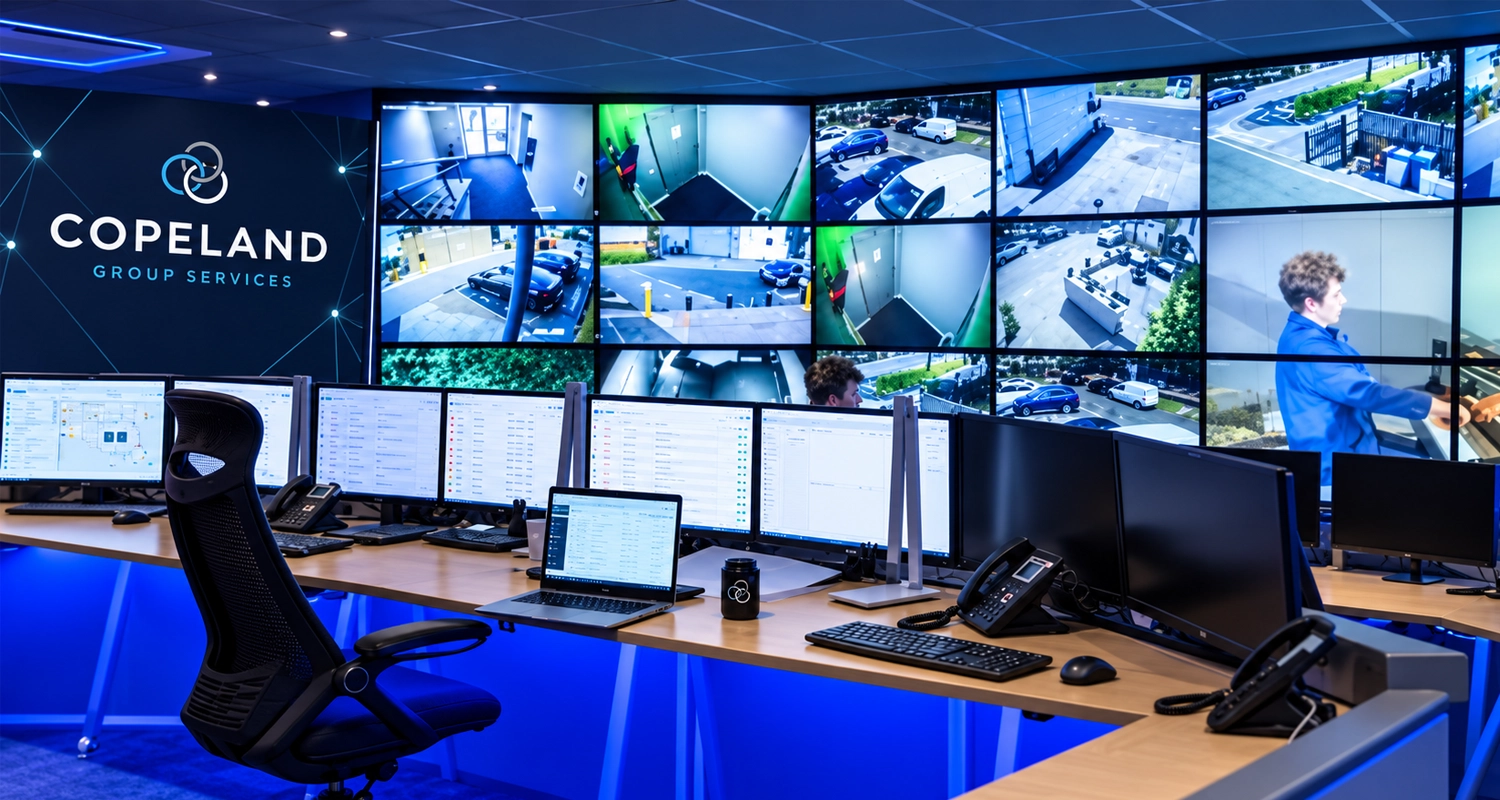
Where monitored CCTV forms part of the wider strategy, Virtual Guard can provide additional visibility around the premises. Security professionals may be able to assess relevant activity and build a clearer picture before deciding what response is required.
Technology can also help teams manage the growing amount of information generated by security systems. Copeland’s T.A.L.I.U.M., the Tactical, Adaptive, Logical, Intelligent, Unified Manager, has been developed to support experienced security professionals with operational information and decision making.
The important distinction is that technology supports the response.
Experienced people still provide the judgement behind it.
Who attends the premises at 2am?
For many businesses, this is where the weakness in an otherwise good security arrangement becomes apparent.
A trusted employee may have been nominated as the company keyholder years ago. They have a set of keys, know the alarm procedure and live reasonably close to the building.
If something happens overnight, they receive the call.
That arrangement can work, but it also means asking an employee to leave home and approach an empty premises without necessarily knowing what caused the activation.
Professional keyholding and alarm response transfers that responsibility to trained security personnel.
Where attendance is required, an officer can respond according to the procedures agreed with the client. Depending on the site’s wider security arrangements, that response may also be supported by monitored CCTV, mobile patrols or an existing manned guarding presence.
The difference is simple but important.
The organisation has decided who will respond before the incident happens.
Remote visibility does not remove the need for physical response
Modern monitoring has transformed what security teams can see without being physically present at the premises.
However, there are still situations where somebody needs to attend.
A security officer can inspect the site, check agreed areas and determine whether there are signs of damage, attempted access or another issue requiring further action. If necessary, nominated client contacts or the appropriate emergency services can then become involved in accordance with the agreed response procedure.
This is where blended security becomes particularly effective.
Monitoring provides visibility. Professional security personnel provide physical presence and judgement. Mobile patrols, manned guarding and keyholding can then provide different levels of response according to the requirements of the site.
Rather than asking technology to replace people, each layer performs the role it is best suited to.
What happens after the immediate incident?
An effective alarm response should provide more than attendance.
The organisation also needs to understand what happened and whether anything needs to change.
Was there evidence of attempted entry? Did the activation reveal a vulnerable area? Is there useful CCTV footage? Does something need securing before employees return in the morning?
Repeated activations can also be useful information. Even where an incident is not identified, patterns may indicate that existing procedures, equipment or site conditions deserve further investigation.
The objective is therefore not simply to arrive, reset an alarm and leave.
It is to provide a clear outcome and help the organisation understand what happened.
Would your 2am process actually work?
The best time to ask that question is during the working day.
Businesses should know who receives alarm notifications, who holds the keys, who is expected to attend and what information will be available when they do.
They should also consider whether expecting an employee to attend an uncertain situation outside normal working hours remains the right arrangement.
At Copeland Group Services, professional keyholding and alarm response can form part of a wider blended strategy incorporating Virtual Guard, mobile patrols, manned guarding, professional lock and unlock services, access control, EcoWatch Rapid Deployment CCTV, TrakNet Technologies and T.A.L.I.U.M.
An alarm tells you that something may need attention.
The 2am test is whether your security strategy already knows what happens next.
If you are reviewing your alarm response or keyholding arrangements, contact Copeland Group Services to discuss the right approach for your premises.