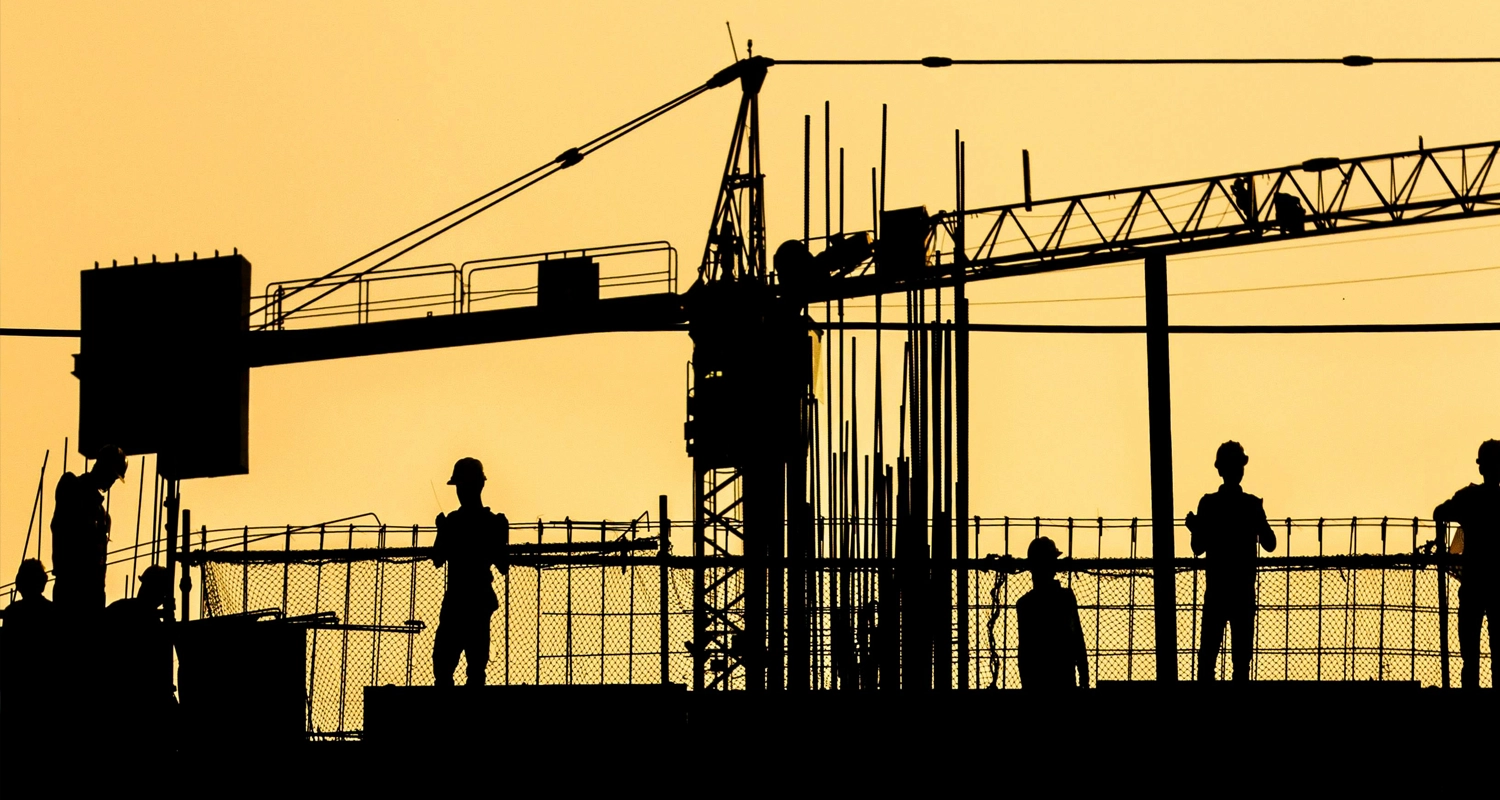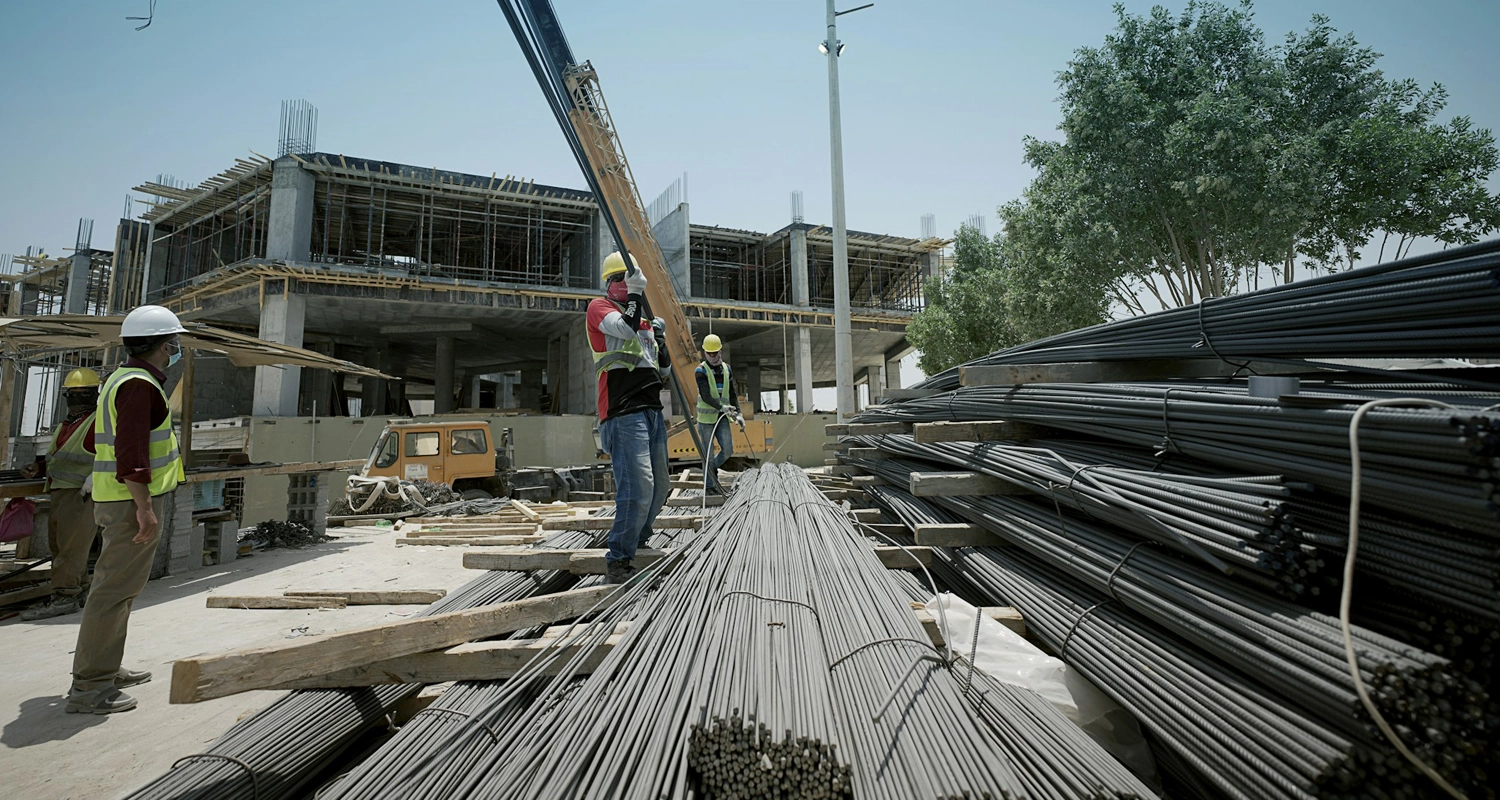
Construction sites have always attracted theft, but what criminals are looking for is changing.
A site no longer needs to contain obviously expensive machinery to be attractive. Copper cable, electrical equipment, tools, fuel and plant can all have value, while materials waiting to be installed can be easier to remove than they will be once the project is complete.
The result is a security challenge that changes as quickly as the construction site itself.
The value on site changes throughout the project
During groundwork, plant and fuel may represent some of the most attractive assets. As the project develops, different materials begin arriving. Cable drums, electrical components, equipment and tools may be stored temporarily before installation.
That creates periods where relatively large amounts of valuable material can be concentrated in areas that were never designed for long term storage.
The security strategy therefore needs to evolve alongside the build. CCTV coverage designed around an empty site six months earlier may no longer provide the best visibility once buildings, compounds and temporary storage areas have moved.
Construction security should never be considered finished simply because cameras or fencing were installed at the start of the project.
Theft costs more than the item taken
The immediate loss is usually obvious, but the operational impact can be much greater.
If cable or equipment intended for installation disappears overnight, replacement materials need sourcing and work may be delayed. Plant theft can prevent teams operating entirely, while damaged compounds, fencing or access points create additional repair costs.
The real cost can therefore include lost time, disrupted subcontractors and pressure on the wider project programme.
This is why construction security is as much about protecting progress as protecting property.
Visibility needs to move with the risk
Construction environments are particularly well suited to flexible security because their vulnerabilities rarely stay in one place.
EcoWatch Rapid Deployment CCTV, operating as part of Copeland’s wider Virtual Guard approach, can provide monitored visibility where permanent CCTV infrastructure is not practical. As the project develops, security coverage can be reviewed and repositioned around changing areas of risk.
Monitoring also changes the role of CCTV. Rather than footage only being useful after something has disappeared, trained operators can assess unusual activity while it is taking place and follow the agreed response process.
Where physical attendance is required, mobile patrols, keyholding personnel or manned guarding can provide the next layer.
Construction security needs to adapt
The strongest approach is rarely based on one measure.
A larger or higher risk site may justify a permanent security officer. Another project may combine monitored CCTV with mobile patrols and controlled access. As the value and location of assets change, the balance between those services can change too.
At Copeland Group Services, construction security can combine manned guarding, Virtual Guard, EcoWatch Rapid Deployment CCTV, mobile patrols, access control and professional response according to the stage and risks of the project.
Copper, cable and plant may all attract unwanted attention for different reasons.
The important thing is making sure the security strategy changes when the site does.
If you are reviewing security on a construction project, contact Copeland Group Services to discuss the right combination of protection for your site.
Photo by Glenov Brankovic on Unsplash
Discover more insights
Interested in learning more about business security? Explore our related posts below for further guidance.