Help Prevent Spiking This December: Supporting Anti-Spiking Week with Copeland Group Services
From 8 to 14 December, the Security Industry Authority (SIA) and police forces across the UK are raising awareness during Anti-Spiking Week. This vital initiative focuses on protecting the public and supporting licensed security professionals who work every day to keep people safe.
Spiking is a serious crime. It involves giving someone alcohol or drugs without their knowledge or consent, whether in a drink, a vape or by injection. It can leave victims extremely vulnerable to further harm and remains a growing concern across nightlife venues.
At Copeland Group Services, we stand with the SIA and the police in helping to prevent, identify and respond to spiking incidents. Our aim is to support safer nights out and to reinforce the vital role that frontline officers play in public protection.
Why vigilance matters
Data from the SIA show that approximately 80 per cent of reported spikes occur in public venues such as pubs and nightclubs. Victims are often young adults, and women account for the majority of reports, with an average victim age of around 26.
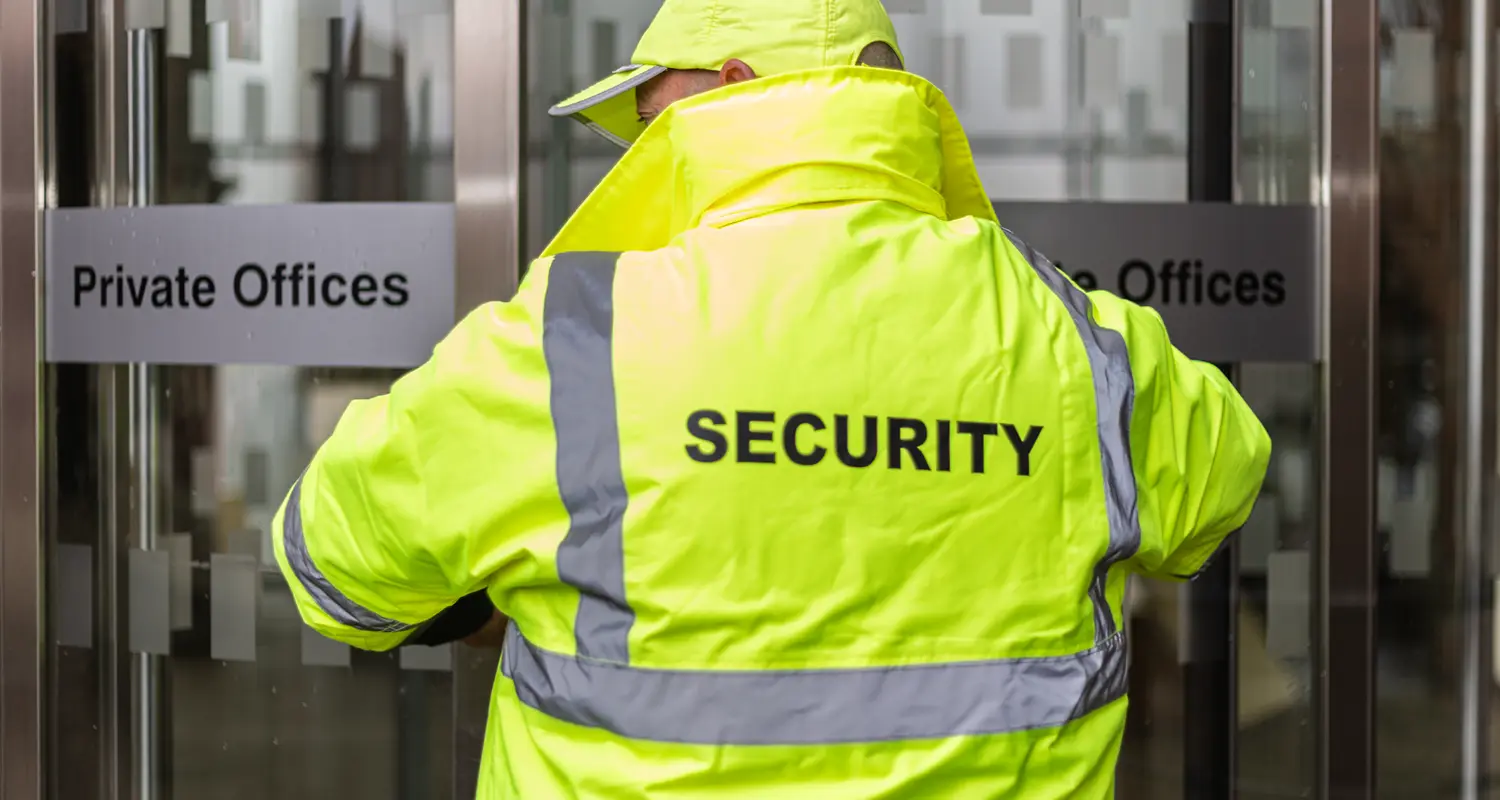
Security officers, venue teams and licensees are the first line of defence. Their awareness, presence and decision-making can stop offences before they occur or prevent further harm to vulnerable individuals.
A visible and proactive officer is often the most effective deterrent.
Recognising the signs
A person who has been spiked may show one or more of the following indicators.
- Nausea or dizziness
- Sudden tiredness or confusion
- Unsteadiness
- Blurred vision
- Paranoia or unusual behaviour
- Becoming unresponsive
- Behaving out of character
There are also behavioural signs linked to potential offenders. These may include
- Someone regularly scanning the room in a way that suggests predatory intent.
- A hand lingering near another person’s drink or quickly retreating from one.
- Movement around tables or bar areas that appears unnatural or deceptive.
Security personnel trained under SIA guidance will recognise these cues, but the busy festive season makes active observation even more critical.
How to help prevent spiking
The SIA recommends a forward-thinking approach to prevention. Officers and venue staff can help by
- Monitoring anyone acting suspiciously
- Carrying out regular patrols to increase visibility
- Approaching individuals who appear unwell or distressed
- Providing attended drink stations near busy areas such as toilets or smoking zones
- Responding to signs that someone’s drink does not taste as it should – such as visual cues from their face or body language, or if they are inspecting their glass or bottle
- Responding to visual indicators that a drink has been spiked – becoming discoloured or cloudy, starting to fizz or to go flat, showing a separation line, suddenly
These simple actions can prevent incidents and reassure guests that staff are attentive and supportive.
Responding to a spiking incident
If an incident is reported or suspected, the victim’s welfare must take priority. Officers should
- Provide first aid or request an ambulance
- Contact the police
- Preserve evidence such as glasses or bottles
- Secure relevant CCTV
- Speak to witnesses and note useful details
- Assess who is accompanying the victim and record anything of concern
Additional official guidance is available on the national police website here.
Trusted protection through Copeland
Public safety depends on trust, awareness and professionalism. Copeland officers are trained and licensed by the SIA. Every officer is supported by our 24-hour UK-based control room and the wider Copeland quality management framework.
Copeland provides a complete blended security solution for venues, events and corporate sites, including:
- Manned Guarding
- Mobile Patrols
- Keyholding and Alarm Response
- Lock and Unlock Services
- EcoWatch Rapid Deployment CCTV for temporary or high footfall environments
Our aim is to create safer spaces for guests, staff and the community throughout the winter season and beyond.
Working together for safer communities
Preventing spiking requires collective effort. Security professionals, venue staff and the public all play a part in recognising risk and supporting vulnerable people.
If you need an accredited, reliable security partner for your venue or event, contact Copeland Group Services today.
Anti-Spiking FAQs
Copeland provides licensed, vetted and professionally trained officers supported by a 24-hour UK-based control room. Our blended approach combines people and technology to protect venues, events and hospitality environments throughout the year.
To discuss how Copeland can support your venue, contact Copeland Group Services today.
Officers can prevent spiking by monitoring behaviour, conducting regular patrols, supporting vulnerable individuals and responding quickly to concerns. A visible presence and confident communication play a major part in reducing risk.
For information about trained officers for venue protection, contact Copeland Group Services today.
Anti-Spiking Week takes place from 8 to 14 December and raises awareness of the risks of spiking in nightlife settings. It helps staff and security professionals recognise signs, prevent incidents and protect the public.
To learn more about how Copeland supports safer venues, contact Copeland Group Services today.