What Happens When an Alarm Is Triggered: Inside Copeland’s Rapid Response Protocol
When an alarm is triggered, the speed and quality of the response can make a significant difference. A well managed response helps reduce risk, protect people and assets, and prevent minor incidents from becoming major disruptions.
At Copeland Security, alarm activations are handled through a structured, professional response process designed to provide reassurance, clarity and control from the moment an alert is received.
Step one: Alarm activation and verification
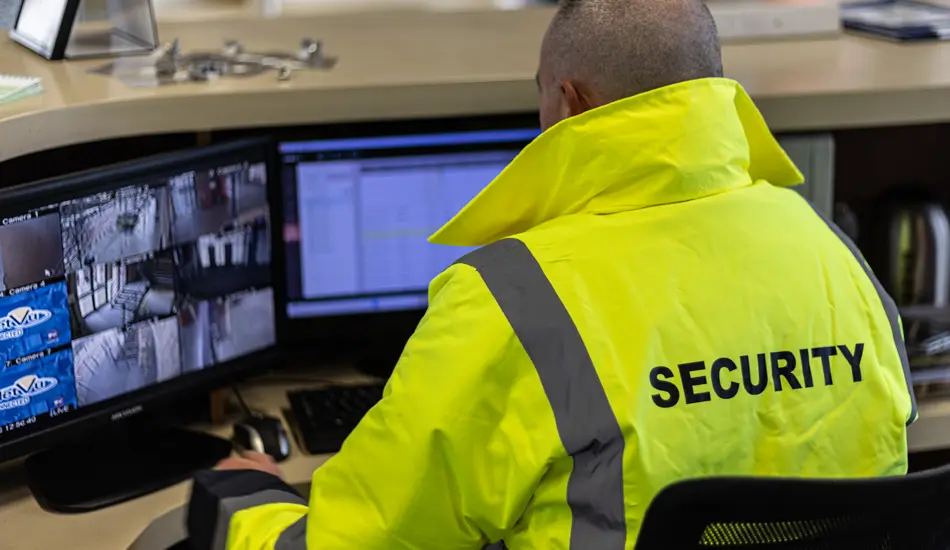
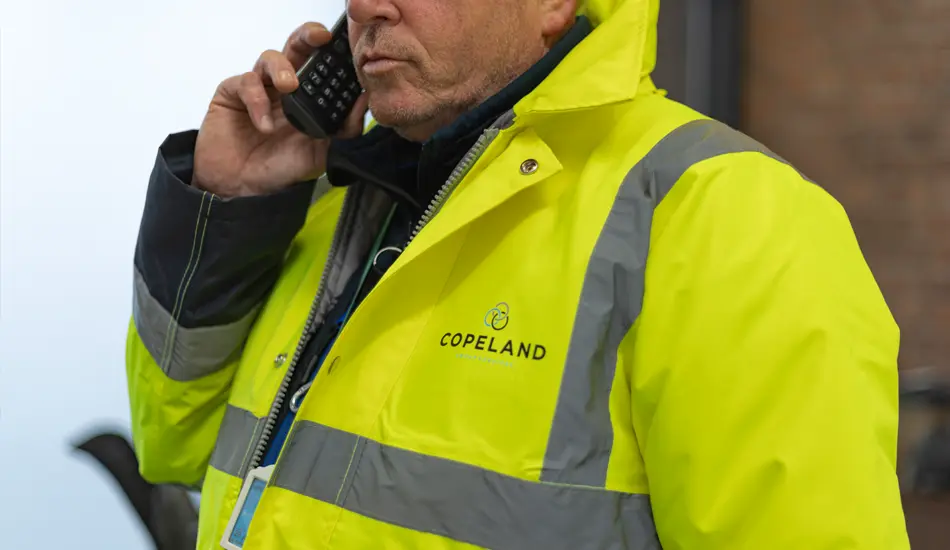
When an alarm is triggered, the signal is received by Copeland’s 24 hour UK based control room. Trained operators immediately begin the verification process to understand what has caused the activation.
Where CCTV coverage is available, including EcoWatch systems, operators assess live or recorded footage to identify any visible activity. This early verification helps determine whether the activation is accidental, environmental or potentially suspicious.
Step two: Assessing risk and next actions
Once initial checks are complete, the situation is assessed based on site instructions, risk profile and time of day. Not every activation requires the same response, which is why clear procedures and site knowledge are essential.
If the activation appears genuine or unclear, operators prepare to dispatch a response while maintaining oversight and communication.
Step three: Dispatching a professional response
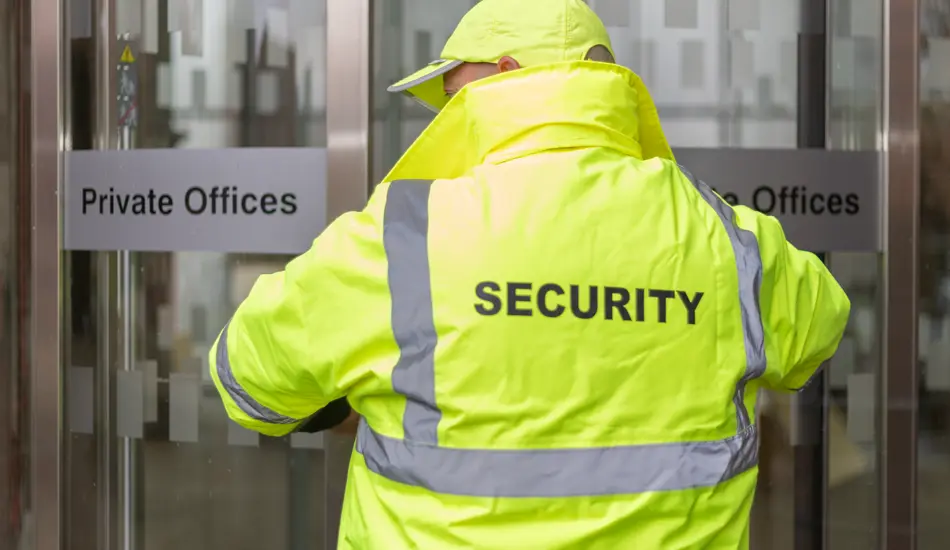
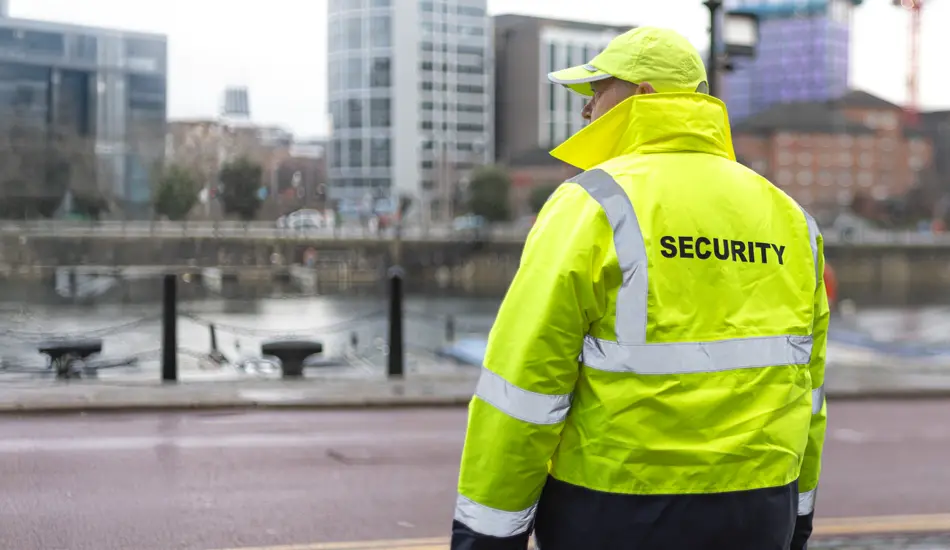
Where a physical response is required, Copeland deploys trained personnel according to the agreed protocol. This may include a mobile patrol officer, a keyholding response or coordination with on site guarding teams.
Responders attend the location to carry out checks, secure the premises if needed and report findings back to the control room. This ensures incidents are managed calmly and professionally without unnecessary escalation.
Step four: Communication and reporting
Throughout the process, clear communication is maintained. Operators log all actions, timings and outcomes to create a detailed record of the event.
Following the response, clients receive a report outlining what occurred, how it was handled and any observations that may require follow up. This transparency supports accountability and informed decision making.
Supporting continuity and reassurance
Alarm activations often occur outside normal working hours, when staff are unavailable or sites are unoccupied. Copeland’s response protocol removes the need for employees or managers to attend sites during the night or at short notice.
This approach supports duty of care, reduces stress and ensures that incidents are handled by trained professionals who understand both the site and the agreed response procedures.
Integrated with Copeland’s wider services
Alarm response is most effective when integrated into a broader security strategy. Copeland’s rapid response protocol works alongside services including
- Manned guarding for on site presence
- Mobile patrols for flexible response coverage
- Keyholding services
- EcoWatch Rapid Deployment CCTV for visual verification
- Lock and unlock services for controlled access
This integrated framework ensures alarms are not treated in isolation but as part of a coordinated security system.
Confidence in every response
An alarm activation does not need to create uncertainty. With a clear protocol, trained personnel and constant oversight, Copeland provides reassurance that every alert is handled consistently and professionally.
To discuss how Copeland’s alarm response services could support your organisation, contact Copeland Security today.
Discover more insights
Interested in learning more about business security? Explore our related posts below for further guidance.