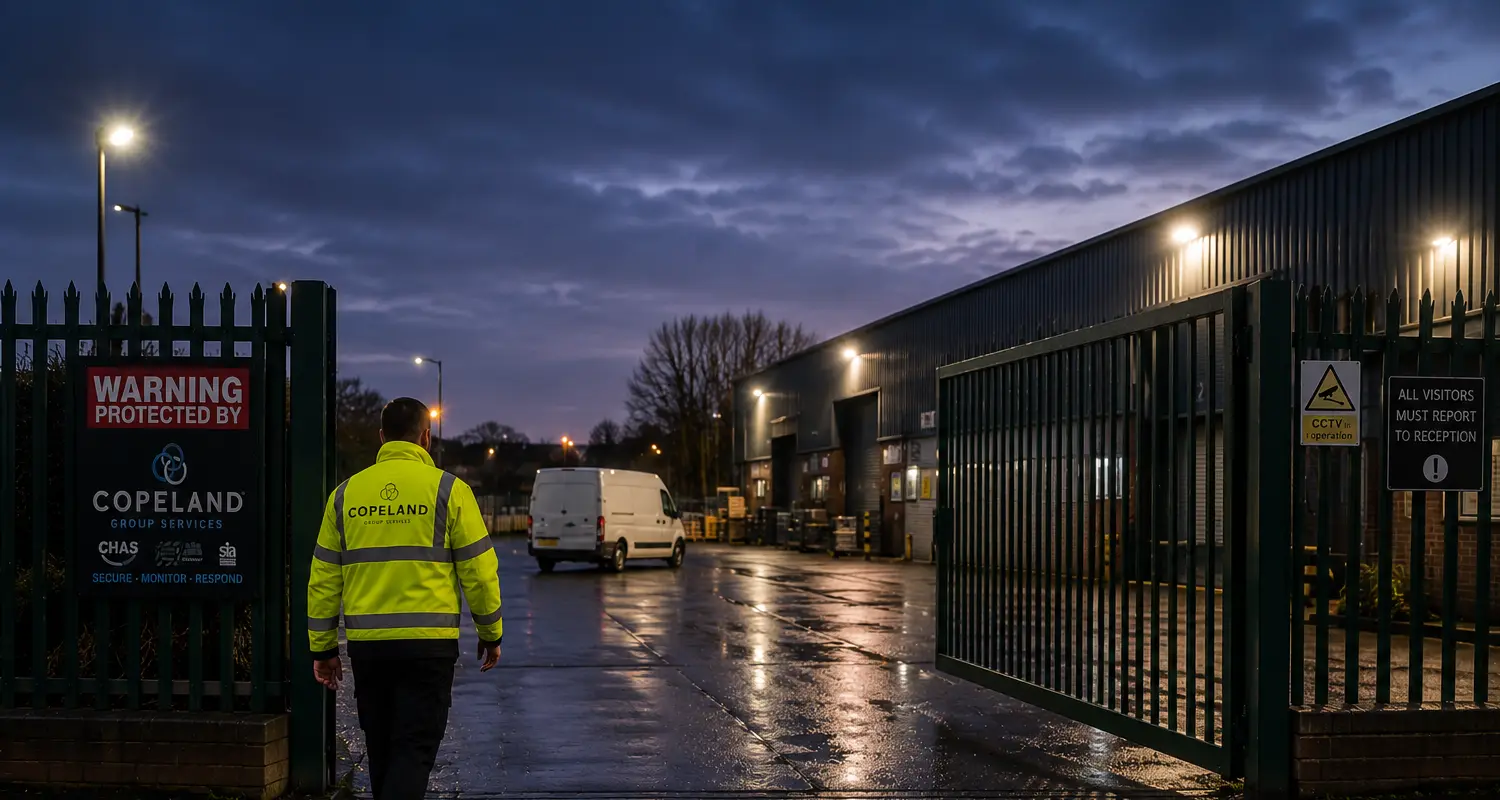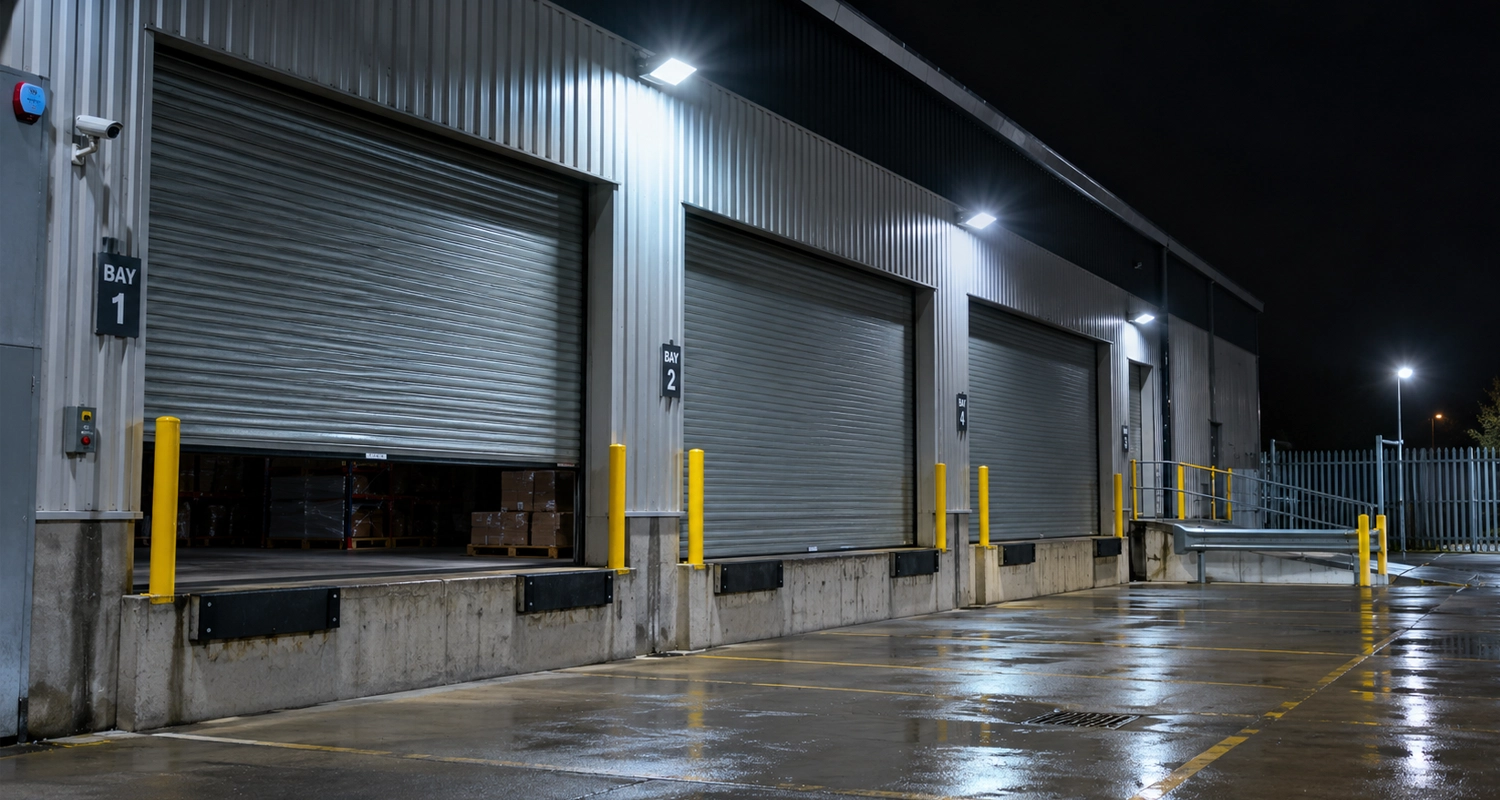
During the working day, a loading bay is one of the busiest parts of many commercial and industrial sites.
Vehicles arrive, goods move in and out, employees cross between warehouses and yards, and contractors may have legitimate reasons to be in areas that would otherwise be restricted.
After hours, that same environment can look very different.
The activity disappears, but valuable stock, vehicles, equipment and access points remain. For warehouses, distribution centres and manufacturing sites, this can make the loading bay one of the areas most worth considering when reviewing overnight security.
Designed for access, not isolation
Loading bays are designed to move people and goods efficiently.
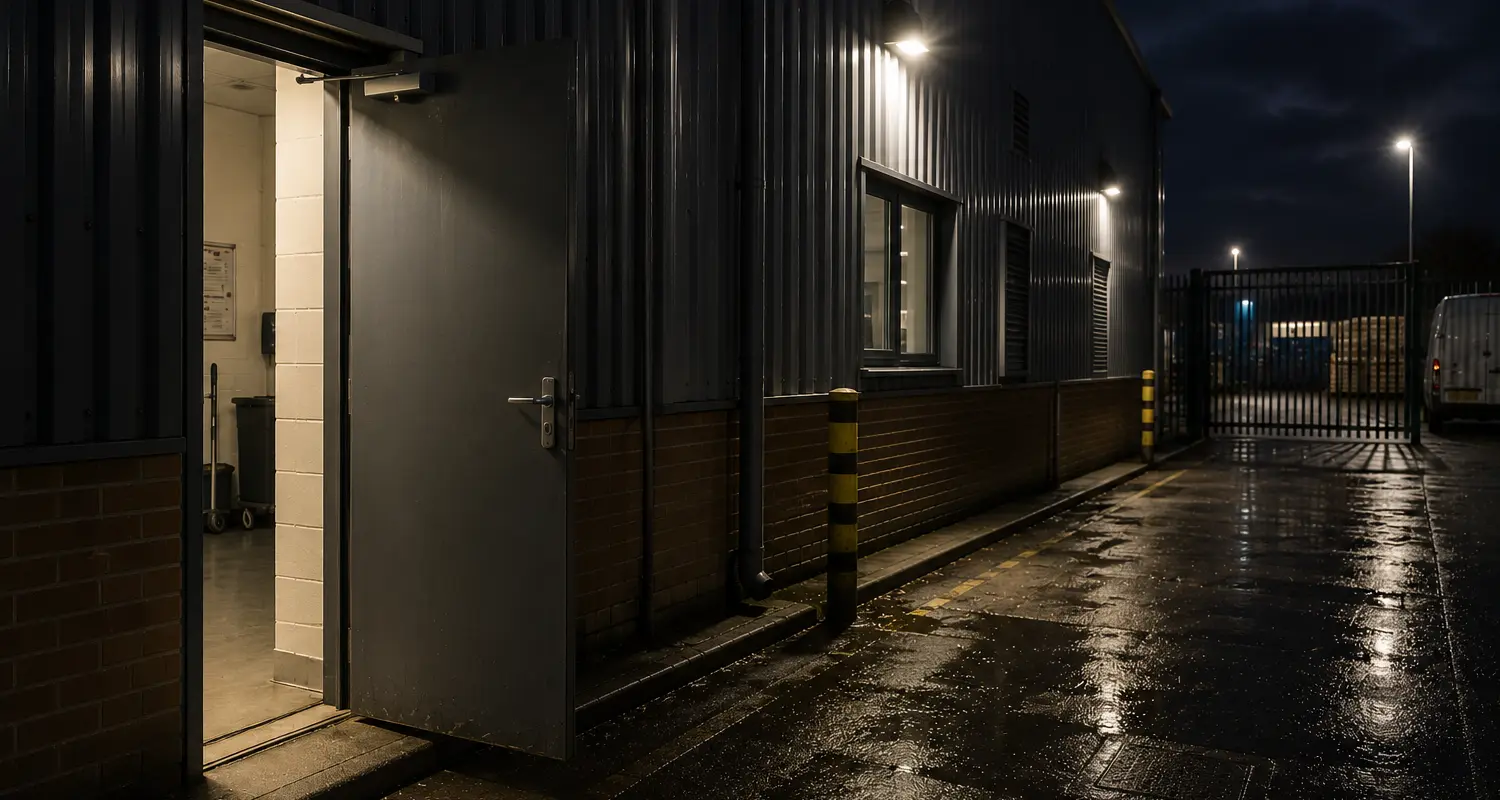
That usually means wide vehicle entrances, shutters, pedestrian doors, yards and routes connecting directly into operational areas. During working hours, legitimate activity provides a natural level of oversight.
Once the site becomes quiet, those same features can create opportunities for unauthorised access.
The risk is not necessarily that the loading bay itself has been poorly secured. It is that an area designed to be accessible throughout the working day can become much harder to oversee when normal operations stop.
That makes the transition between daytime activity and overnight security particularly important.
Visibility changes after the workforce leaves
A busy warehouse might have dozens of people naturally noticing what is happening around a loading area during the day.
At night, that visibility can disappear almost completely.
Monitored CCTV through Virtual Guard can help extend oversight beyond normal operating hours, allowing security professionals to assess activity around loading bays, yards and vehicle entrances when fewer people are present.
The important distinction is between simply recording the area and having a process for dealing with something unusual.
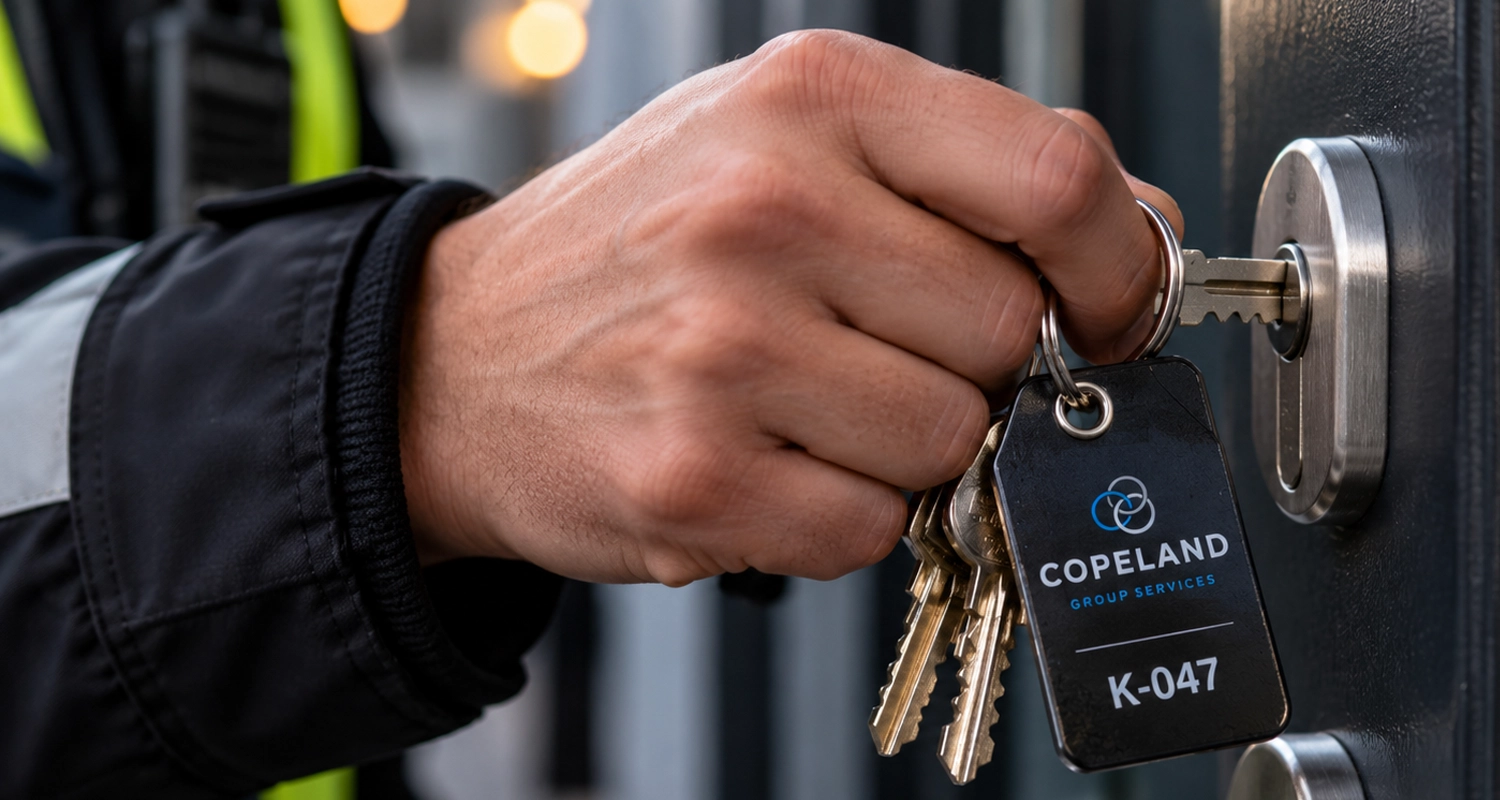
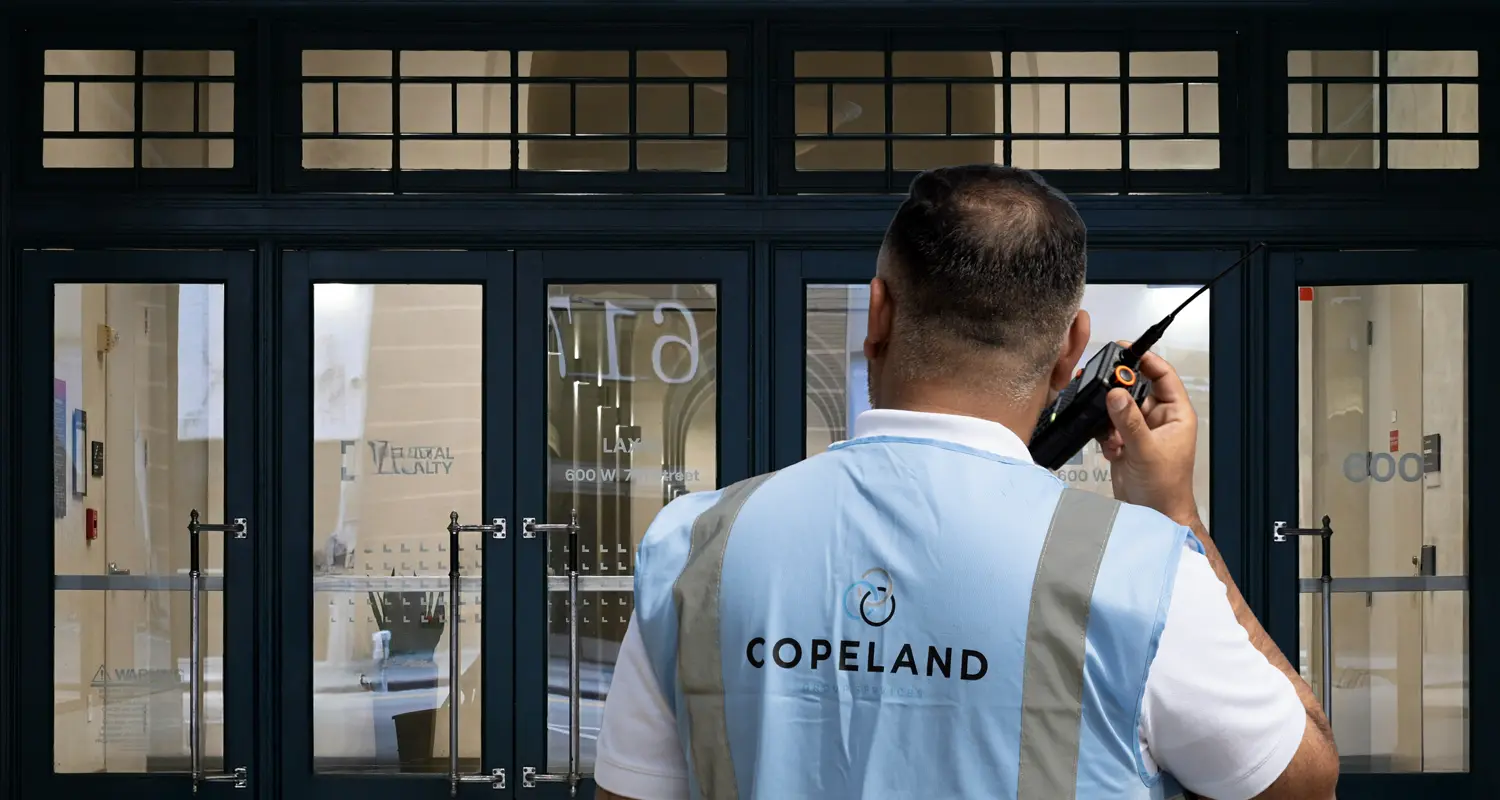
If activity requires further investigation, mobile patrols, keyholding personnel or an on site security officer can provide the physical response.
Remote visibility and physical security therefore perform different roles, but they can be particularly effective when connected.
Access control matters too
Loading bays can also become difficult to manage when responsibility is shared between employees, drivers, contractors and temporary personnel.
Keys, codes and access permissions may accumulate over time, particularly on busy sites with changing workforces.
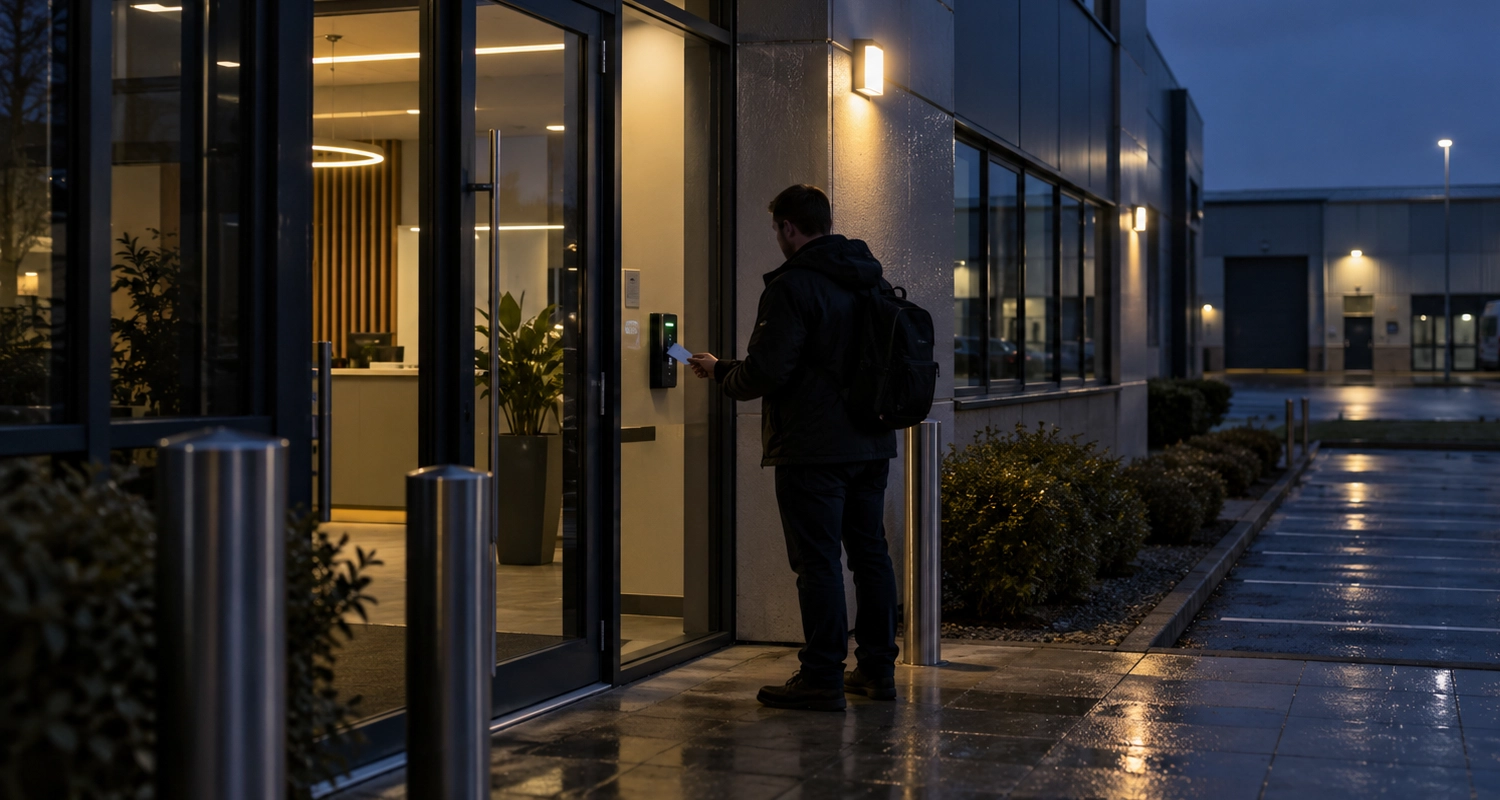
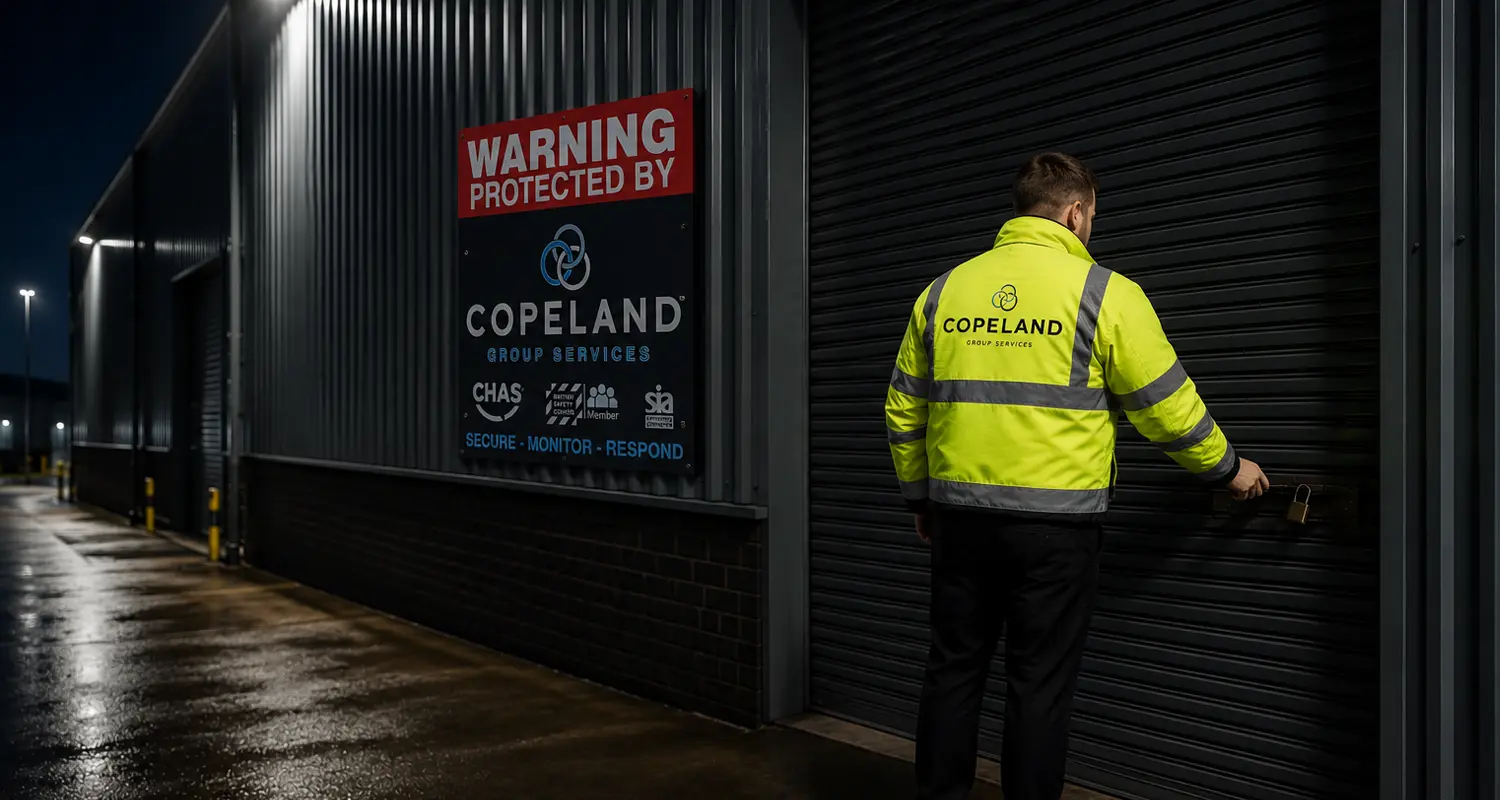
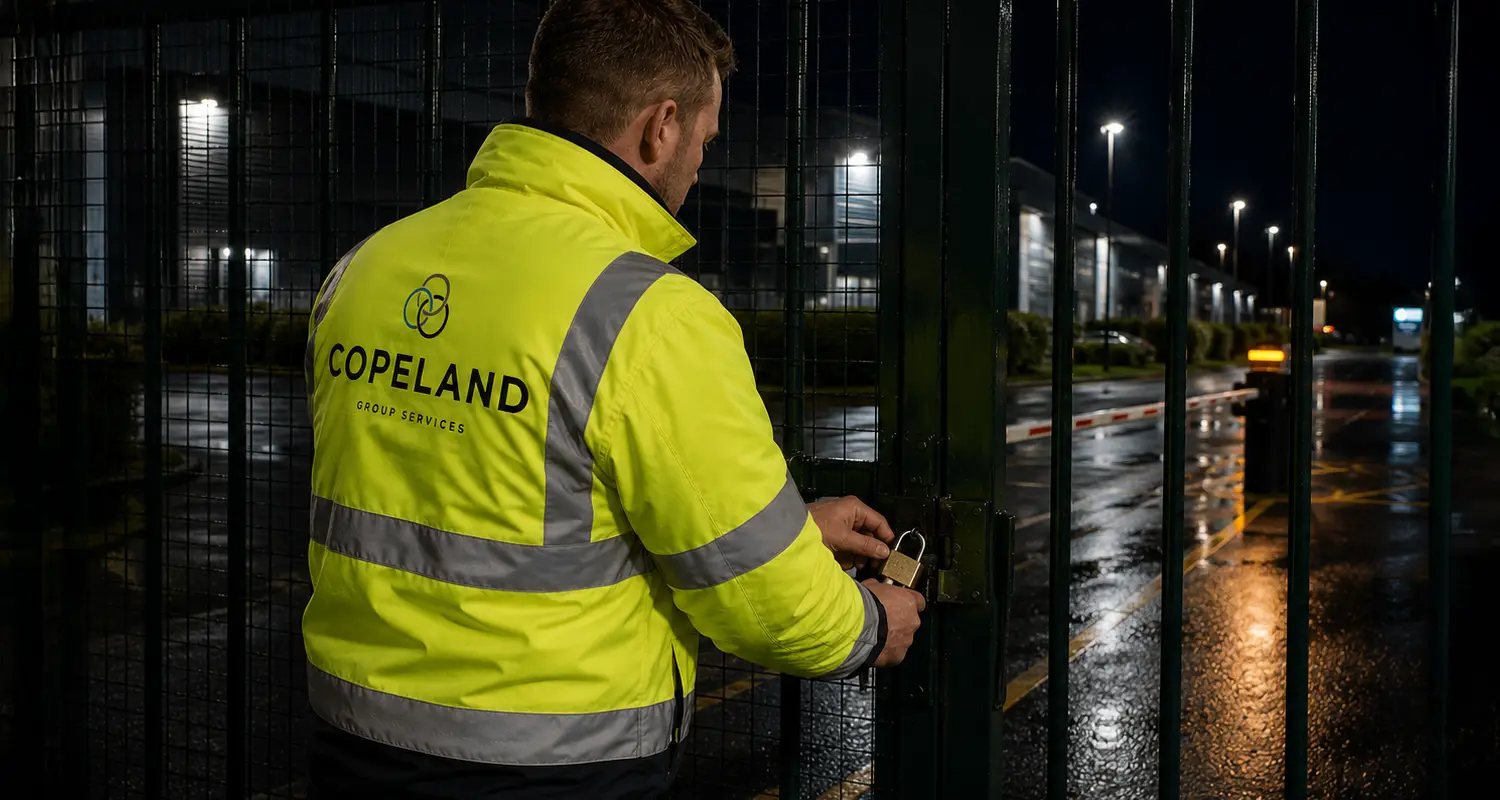
Good access control helps organisations understand who should be entering particular areas and when. Professional opening and closing procedures can also provide greater consistency around securing shutters, gates and agreed access points once operations finish.
The objective is not to make everyday logistics unnecessarily difficult.
It is to make sure the site changes from an operational environment to a secure one when the working day ends.
Security should reflect how the site actually operates
A distribution centre operating around the clock will require a very different approach from a warehouse that closes at 6pm. Likewise, a loading bay handling high value goods may justify different measures from one serving a lower risk operation.
That is why loading bay security should be considered as part of the wider site rather than treated in isolation.
At Copeland Group Services, that can mean combining manned guarding, Virtual Guard, mobile patrols, access control, professional lock and unlock, and keyholding and alarm response according to the way the premises actually operates.
Loading bays are designed to keep businesses moving.
The challenge is making sure they do not become an overlooked access point once that movement stops.
If you are reviewing security around warehouses, distribution facilities or industrial premises, contact Copeland Group Services to discuss the right approach for your site.
Discover more insights
Interested in learning more about business security? Explore our related posts below for further guidance.