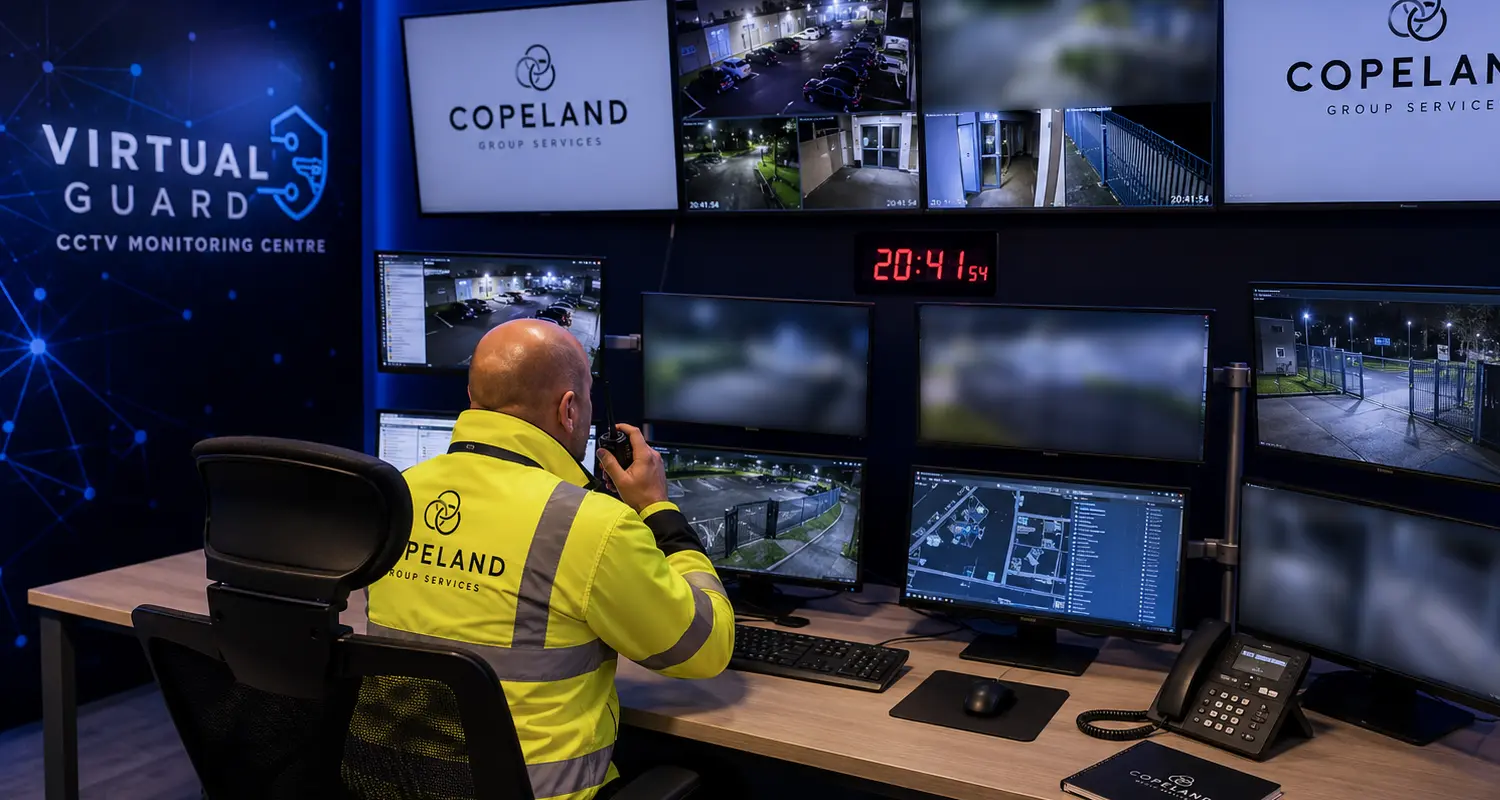
Remote monitoring is powerful because it gives security teams visibility when nobody is physically standing in front of the problem.
A camera can identify movement, an alarm can activate and intelligent technology can help draw attention to unusual activity. But an alert on its own is not a security response.
The real value comes from what happens next.
That is where Virtual Guard and physical security services work together. Monitoring provides information, experienced operators assess what is happening and, where required, trained security personnel can attend the site.
An alert needs context
Not every alert represents an incident.
An employee might be working late. A contractor may have legitimate access or activity outside normal hours could already be expected.
This is why professional monitoring matters. Rather than treating every alert in the same way, security operators can assess the information available and consider it against agreed site procedures.
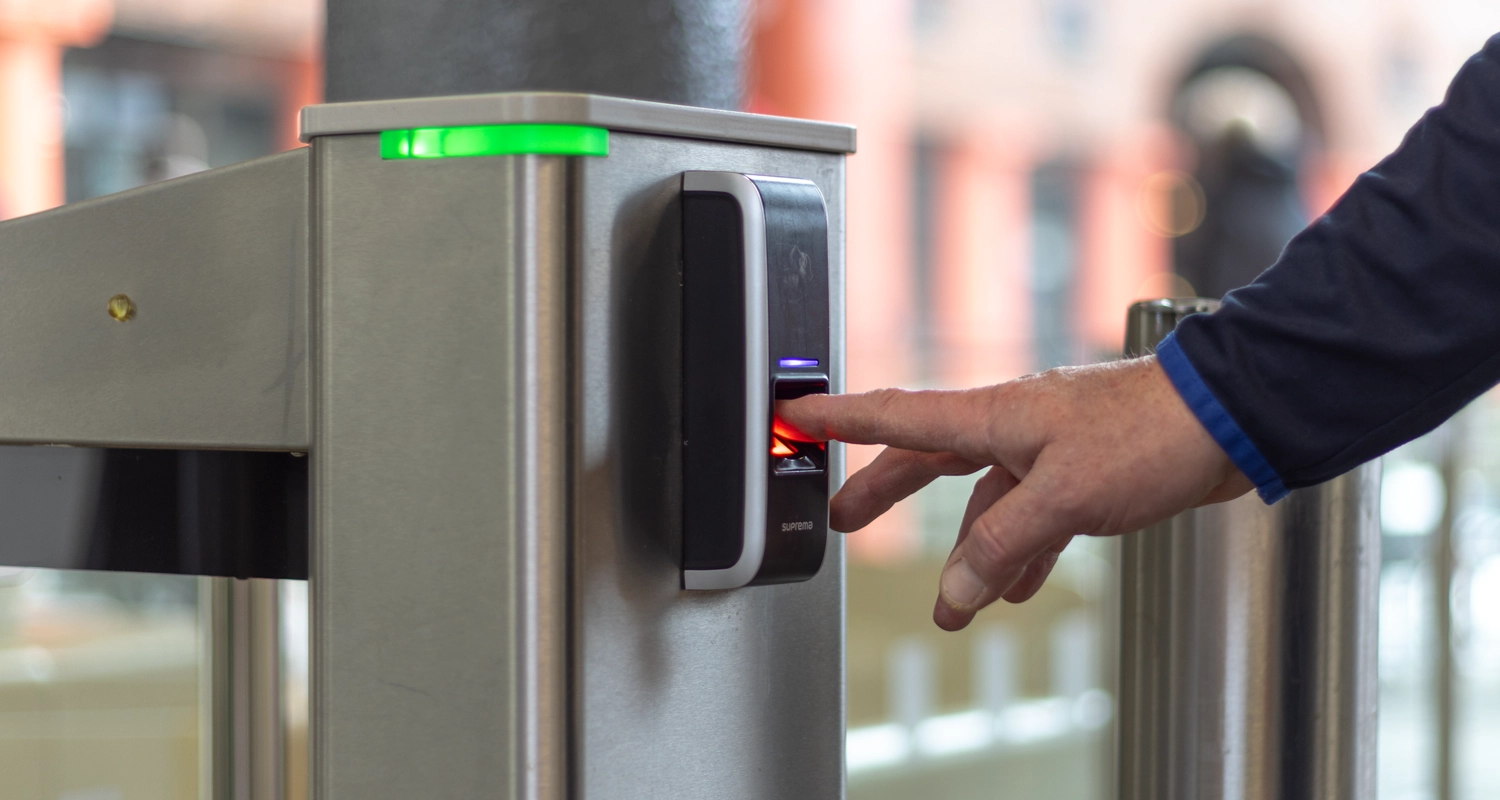
CCTV may provide additional visibility around the area, while access control or other operational information can help establish whether the activity is expected.
Technology helps identify what deserves attention. Experienced people provide the judgement needed to understand what it means.
When visibility becomes a response
Sometimes remote monitoring is enough to establish that nothing further is required.
At other times, somebody needs to attend.
This is where the connection between monitoring and physical security becomes important. Depending on the client’s arrangements, a mobile patrol, keyholding officer or on site security officer can provide the physical presence needed to investigate further.
That response is stronger when the person attending already has useful information.
Rather than arriving with little understanding of what has happened, they may have details about the location of the activity, what has been observed and what areas need attention.
Remote monitoring therefore does not compete with physical security.
It can make physical response more focused and better informed.
The control room connects the two
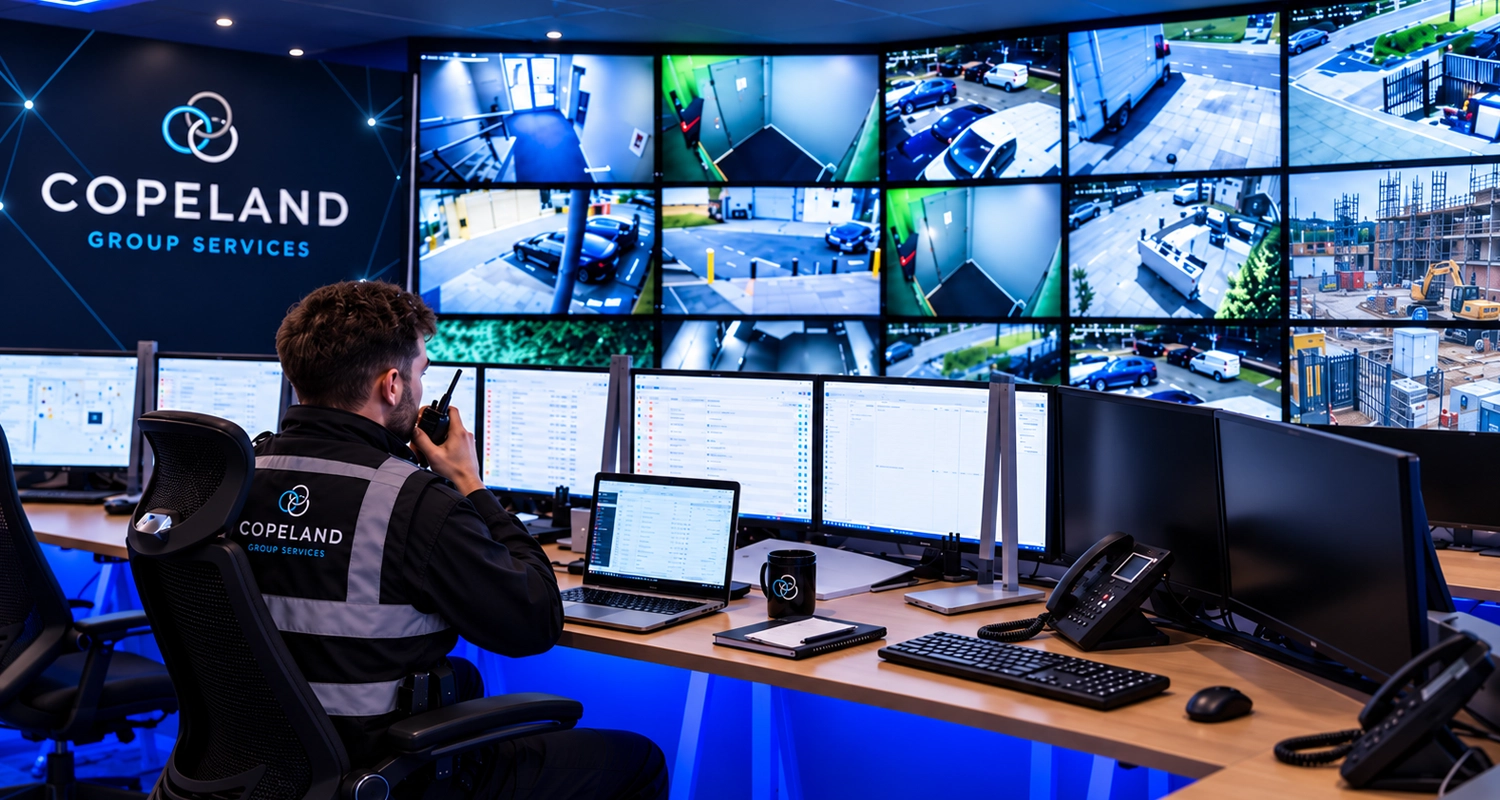
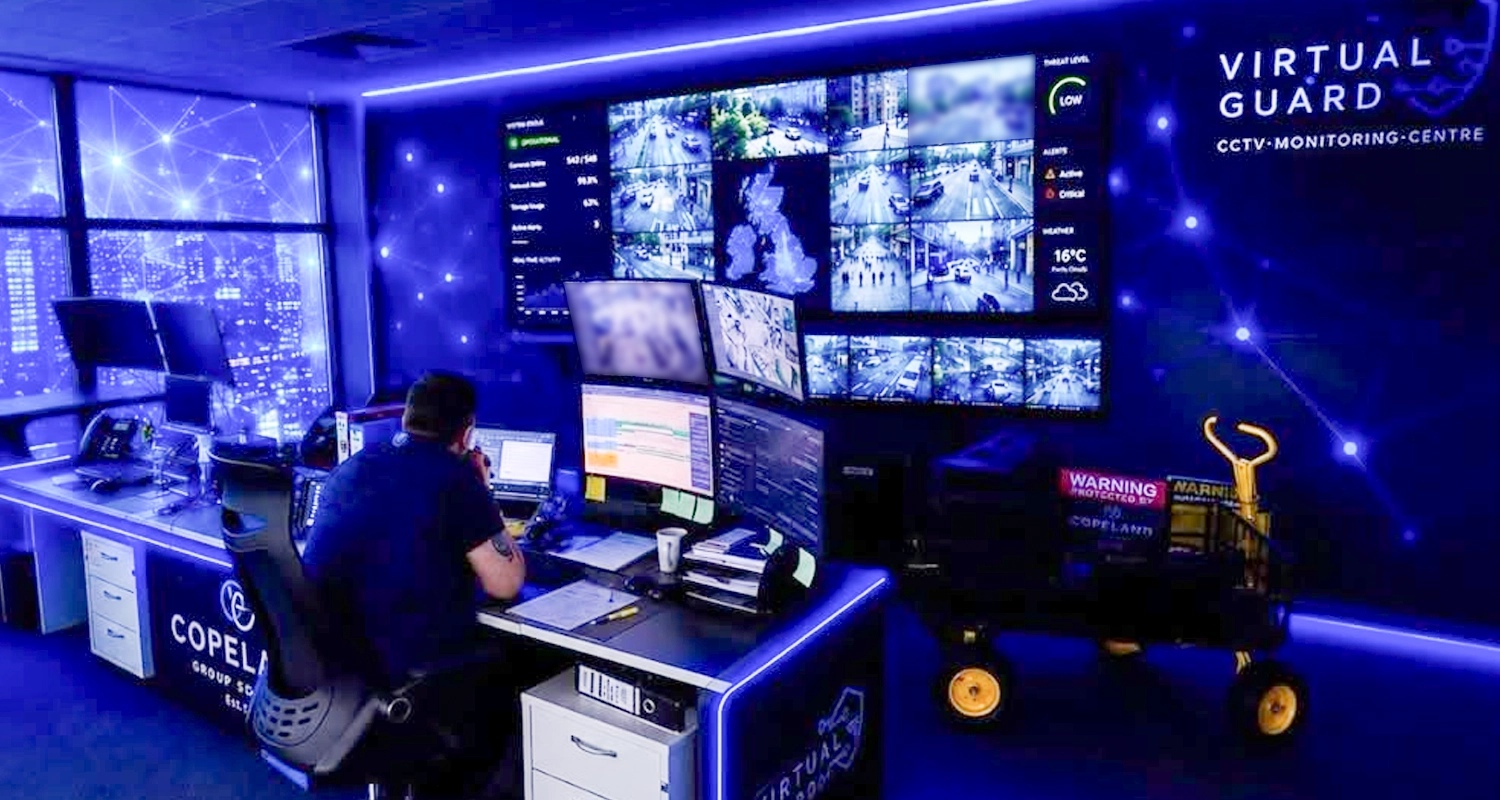
Copeland’s 24 hour control room provides the link between what is being seen remotely and what happens on the ground.
Through Virtual Guard, monitored CCTV can provide oversight across commercial sites, construction projects and other locations outside normal operating hours. Operators can assess activity and follow the agreed response procedure, while field based security teams provide attendance where required.
Technology including T.A.L.I.U.M. can support this wider operation by helping experienced security professionals work with information more effectively.
The objective is not to remove people from the process.
It is to give them better information before they act.
A blended approach provides the strongest response
No single security measure can do everything.
CCTV provides visibility. Monitoring adds professional assessment. Mobile patrols and keyholding provide physical attendance, while manned guarding offers a permanent security presence where the risk justifies it.
At Copeland Group Services, Virtual Guard can operate alongside mobile patrols, manned guarding, keyholding and alarm response, access control, professional lock and unlock services, EcoWatch Rapid Deployment CCTV, TrakNet Technologies and T.A.L.I.U.M.
The strength comes from connecting those services so that an alert does not simply sit on a screen.
It becomes part of a clear process from detection, through assessment, to physical response where it is needed.
If you are reviewing remote monitoring or response arrangements across your organisation, contact Copeland Group Services to discuss how Virtual Guard could support your sites.
Discover more insights
Interested in learning more about business security? Explore our related posts below for further guidance.